 Nafisa
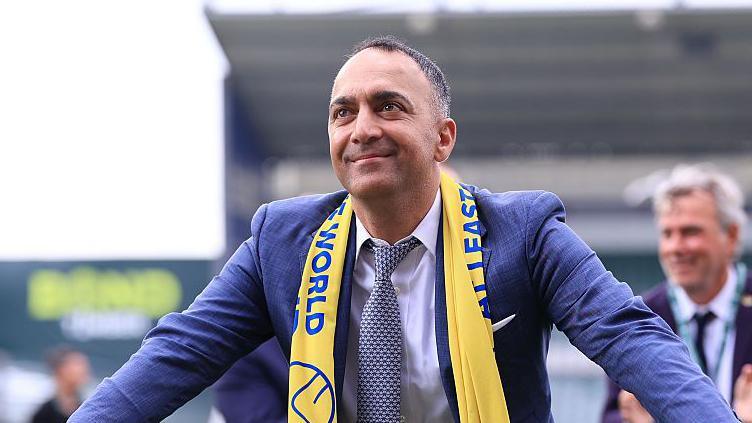
Leeds United supporters have made their feelings known after chairman Paraag Marathe discussed a ticketing model that has become increasingly controversial across the world of sport.
What began as a conversation about football’s commercial future has quickly turned into a debate about affordability, loyalty and whether supporters could eventually pay more to watch their team at Elland Road.
Marathe was speaking at a Leaders Week conference at Stamford Bridge when the subject of airline-style ticket pricing came up.
The idea of adjusting prices according to demand was enough to trigger a reaction among Leeds fans, with many taking to X to question whether such a system would be appropriate for a club whose supporters already invest heavily in following the team.
For a fanbase with a deep connection to its home ground, the issue goes well beyond the cost of a seat. Leeds supporters have followed the club through difficult periods as well as successful ones, and matchdays remain a central part of that relationship.
The prospect of ticket prices fluctuating according to demand has therefore raised concerns about what commercial changes could mean for ordinary fans.
However, there is an important detail that supporters should understand before assuming a new pricing system is on the way. Following the reaction to Marathe’s comments, clarification has emerged that Leeds United do not currently intend to introduce dynamic pricing at Elland Road.
Leeds fans make their feelings clear over ticket pricing:
Dynamic pricing is already a familiar feature of the airline industry. The amount a customer pays can change according to demand, availability and how far in advance a booking is made.
Applied to football, the model could allow clubs to charge different amounts for comparable seats depending on the opposition, the significance of a fixture or the level of demand. A high-profile encounter expected to sell out could potentially command a higher price than a less sought-after game.
From a commercial perspective, the appeal is understandable. Clubs are constantly looking for ways to increase revenue, and technology can provide new methods of managing ticket sales.
But football supporters often view match attendance differently from a typical consumer purchase. For many, going to games is a weekly commitment that involves budgeting for tickets, travel, food and other expenses throughout the season.
Introducing prices that change according to demand could make planning more difficult for those who want to attend regularly. There are also concerns that the most attractive fixtures could become more expensive precisely when the desire to attend is greatest.
That is why Marathe’s discussion attracted attention among Leeds supporters. Their reaction on X reflected concerns about affordability and the possibility that a commercially driven approach could make attending matches more difficult for some sections of the fanbase.
The debate also touches on a wider issue facing modern football. Clubs are expected to grow their revenues and compete financially, but supporters want to know that such ambitions will not come at the expense of accessibility.
For Leeds, the reaction underlines how carefully the club must approach proposals that could affect the matchday experience. Even when an idea is discussed as a possibility rather than a confirmed plan, supporters may understandably question what it could mean for them.
49ers clarify their position after supporter backlash
According to reports, club sources have since clarified that Leeds United have no current plans to introduce dynamic pricing or an AI-based ticketing structure at Elland Road.
That distinction is important. Marathe discussing a potential model at an industry conference does not mean Leeds have decided to adopt it, nor does it confirm that a new ticketing system is being developed for implementation.
For now, supporters should not interpret the discussion as an announcement of impending ticket price changes. The reported clarification indicates that the club is not currently planning to introduce the model that prompted the reaction.
Nevertheless, the episode provides a reminder of the sensitivity surrounding ticket prices and the way football clubs communicate their commercial ambitions.
Marathe and the 49ers have broader ambitions for Leeds United, with commercial development forming part of the club’s long-term picture. But proposals affecting match-going supporters are likely to attract particularly close attention because they directly influence the relationship between the club and its fanbase.
The challenge for the Leeds hierarchy is to explore opportunities for growth while recognising that supporters are not simply customers making occasional purchases. Many have built their lives around following the club, travelling to away games and attending fixtures season after season.
Any future discussion about ticketing will therefore need to take those commitments into account. Affordability, transparency and the treatment of loyal supporters are likely to remain central to the conversation.
For now, the immediate concern has been eased by the clarification that dynamic pricing is not currently planned at Elland Road. However, the strength of the reaction shows that the subject is unlikely to disappear whenever new commercial ideas are discussed.
Leeds supporters have made their position clear: they want the club to progress, but they also want the matchday experience to remain accessible to the people who have supported the team through thick and thin.
The debate may have started at a conference at Stamford Bridge, but its significance reaches directly into Elland Road. And the latest clarification makes one thing clear: discussing a possible pricing model is not the same as confirming that Leeds United intend to introduce it.


 Nafisa