 Nafisa
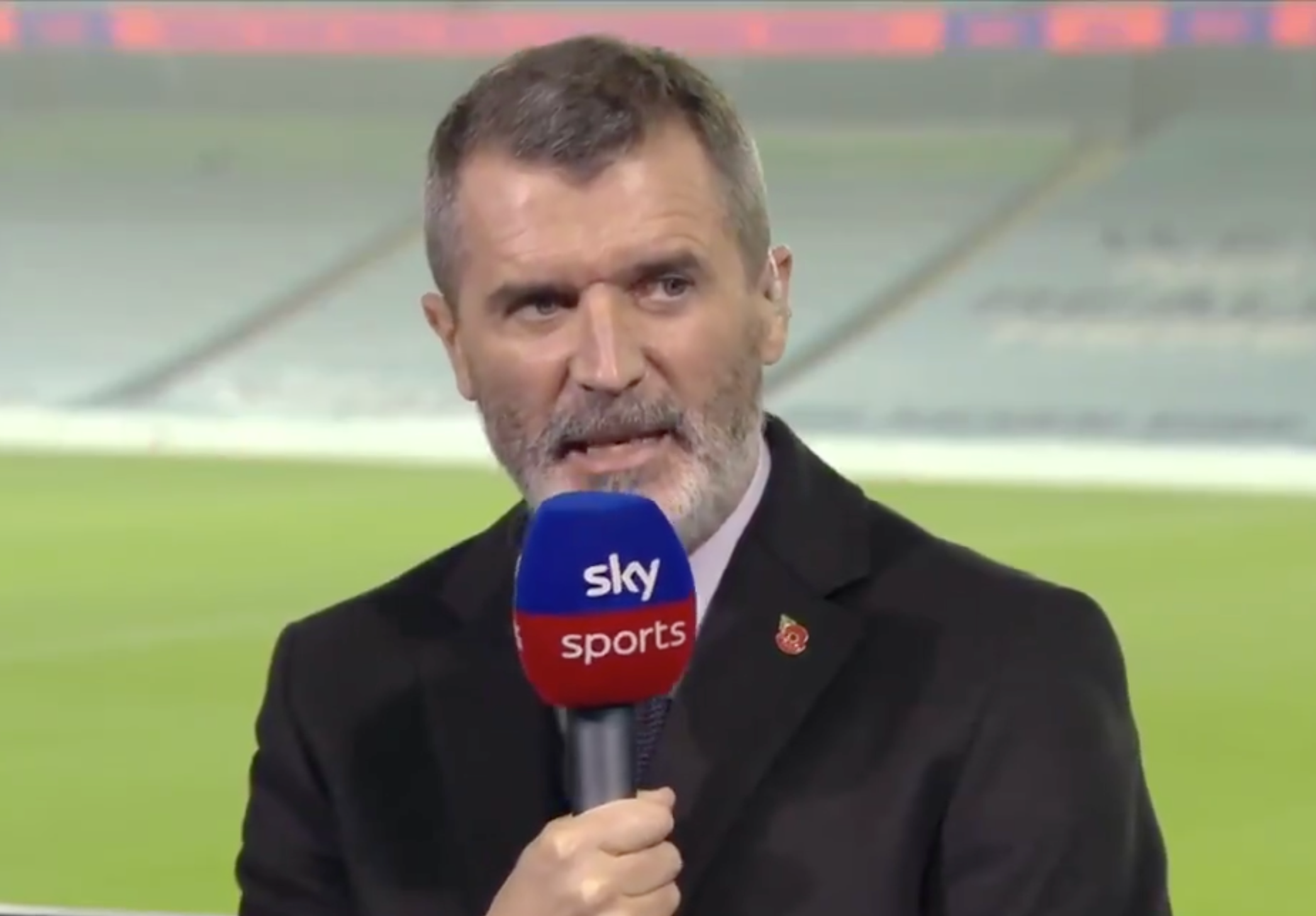
Roy Keane has delivered a mixed verdict on Harry Wilson after the Leeds United winger made his Premier League debut in Saturday’s 1-0 victory over Nottingham Forest.
The Wales international was handed a starting role by Daniel Farke at the City Ground following his summer arrival, with Leeds hoping the experienced attacker can provide another dimension to their attack after returning to the Premier League.
Wilson was not among the standout performers during a difficult afternoon for Leeds, but the visitors ultimately secured a huge three points thanks to Anton Stach’s stunning late free-kick.
Roy Keane criticizes Leeds United star:
Leeds had to remain patient for long periods against Forest, who enjoyed spells of possession and created some of the better opportunities before Stach’s late intervention.
Wilson did manage to find the net during the contest, but his effort was ruled out for offside.
That was one of the moments Keane pointed to when assessing the winger’s first appearance for his new club.
Speaking on Soccer Saturday, the former Manchester United captain admitted Wilson was not at his best but still backed him to become an important signing for Leeds.
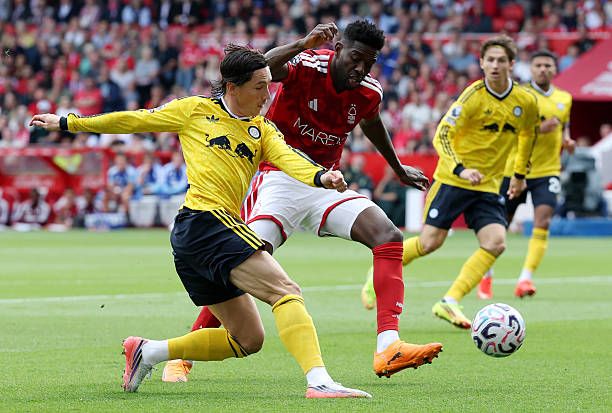
“He wasn’t great. He did have a couple of good balls in and he score a goal that was offside,” Keane said.
“Yeah did alright for his debut. For his first game for Leeds he did okay.
“I think he’s going to be a very good signing for Leeds.
“Anybody on a free is a good signing, but he will give them something different.
“I don’t see Leeds opening up teams every week, and I think you need that set-play.”
Keane’s comments perhaps tell the story of Wilson’s afternoon better than the headline criticism suggests.
The winger was not spectacular, but he was playing in a Leeds side that spent large periods without the ball against a Forest team determined to make life difficult for Farke’s men.
There were still glimpses of what Wilson can offer.
His ability to deliver quality passes from deeper positions, switch play and find pockets of space should become increasingly valuable as he develops an understanding with his new teammates.
Harry Wilson could be a perfect fit for Leeds:
Wilson is the only attacking player Leeds have added to their starting options during the summer, with the club focusing much of their recruitment on strengthening the defensive areas.
That makes his arrival particularly important.
The 28-year-old brings Premier League experience, technical quality and a proven ability to produce moments from set pieces and open play.
Against Forest, Leeds did not create a huge number of clear opportunities, which is precisely why having someone capable of deciding a tight match from a dead-ball situation could become so important.
Stach ultimately took responsibility for that role on Saturday, but Wilson possesses plenty of quality of his own.
His long-range passing was one of the more encouraging aspects of his debut, particularly when Leeds attempted to transition quickly after winning possession.
He also showed a willingness to drift into different areas rather than remaining permanently isolated on the flank.
There will inevitably be higher expectations after his arrival, particularly because Leeds need more attacking quality if they are serious about establishing themselves in the Premier League.
But judging Wilson after just one competitive appearance would be premature.
Leeds were facing a strong Forest side away from home, and the game was always likely to be difficult for attacking players.
The important thing for Farke is that his new signing has now experienced the intensity of Premier League football with his new teammates.
And despite Keane’s criticism, there were enough flashes to suggest Wilson can become an important part of this Leeds team.
The Whites did not need him to produce a spectacular performance on Saturday.
They simply needed someone to help them stay in the contest until an opportunity arrived.
Stach provided the decisive moment this time.
As the season progresses, Leeds will be hoping Wilson can produce plenty of those moments himself.

 Nafisa