 Nafisa
The fallout from Daizen Maeda’s dramatic title-sealing goal against Heart of Midlothian F.C. continues to dominate Scottish football, but fresh details emerging from the Scottish FA have now shed light on exactly why the strike was allowed to stand after a tense VAR review at Celtic Park.
With the Scottish Premiership title hanging in the balance, the moment instantly sparked chaos inside the stadium and outrage across social media, with many Hearts supporters convinced the Japanese forward had been offside during the move.
However, according to details now emerging from the full VAR communication, officials believed the goal was correctly awarded after reviewing every phase of the attack.
The drama unfolded in the 85th minute when Celtic broke forward in a move that completely changed the course of the title race. Maeda eventually bundled the ball over the line, but the assistant referee immediately raised his flag for offside.
For several seconds, Celtic Park stood frozen.
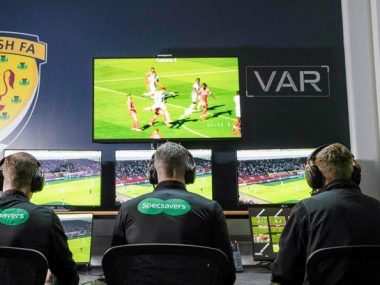
Players from both sides surrounded referee Don Robertson while VAR officials checked the entire attacking sequence frame by frame.
The confusion online largely centred around Maeda appearing to stand in an offside-looking position earlier in the move. But the key detail, and the one VAR focused on most heavily, was the timing of the pass and who the initial ball was actually intended for.
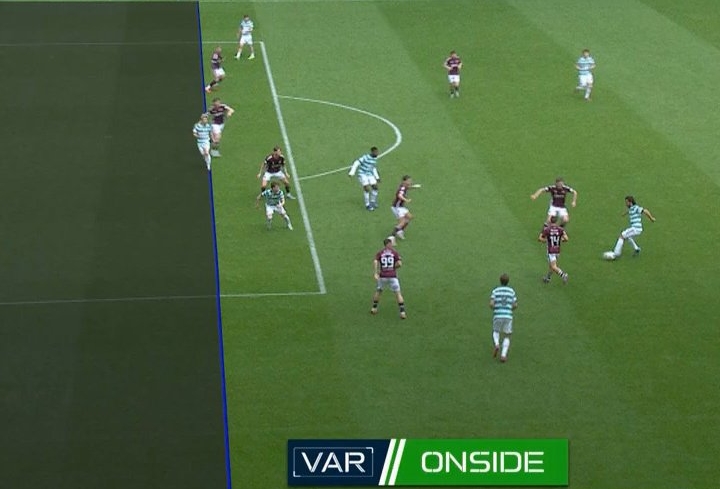
According to the VAR explanation, the ball was first played toward Callum Osmand, who was clearly judged to be in an onside position at the moment the pass was made.
By the time the ball eventually reached Maeda, officials determined that the Celtic forward had moved himself back into an onside position before becoming actively involved in play.
That distinction proved absolutely crucial.
Under current offside laws, a player is not automatically penalised for merely standing in an offside area. They must actively interfere with play from that position, and VAR believed Maeda did not do that during the key phase being reviewed.
The Scottish FA’s reported VAR audio also reveals officials using calibrated offside lines before eventually informing Robertson that the original flag should be overturned.
Moments later, the goal was awarded.
The decision triggered wild celebrations inside Celtic Park and fury elsewhere, particularly given the enormous stakes involved in the title race.
For Hearts, it was the moment their dream of becoming Scottish champions for the first time since 1960 truly slipped away.
The controversy only intensified after footage circulated online from various camera angles, with rival supporters arguing the freeze frames still looked suspiciously tight.
But others pointed out that several television angles actually showed the assistant referee may have flagged too early before the full attacking movement had even developed.
The incident has now become one of the most heavily debated VAR moments of the Scottish season, especially coming only days after Celtic’s controversial late penalty winner against Motherwell F.C..
For Celtic supporters, though, the latest explanation from the Scottish FA feels like further confirmation that the decision was legally correct despite the outrage surrounding it.
And while arguments over the goal are unlikely to disappear anytime soon, the official VAR breakdown now appears to have settled one major point — Daizen Maeda’s title-defining strike was allowed to stand because VAR concluded he was onside at the exact moment it mattered most.


 Nafisa