 Nafisa
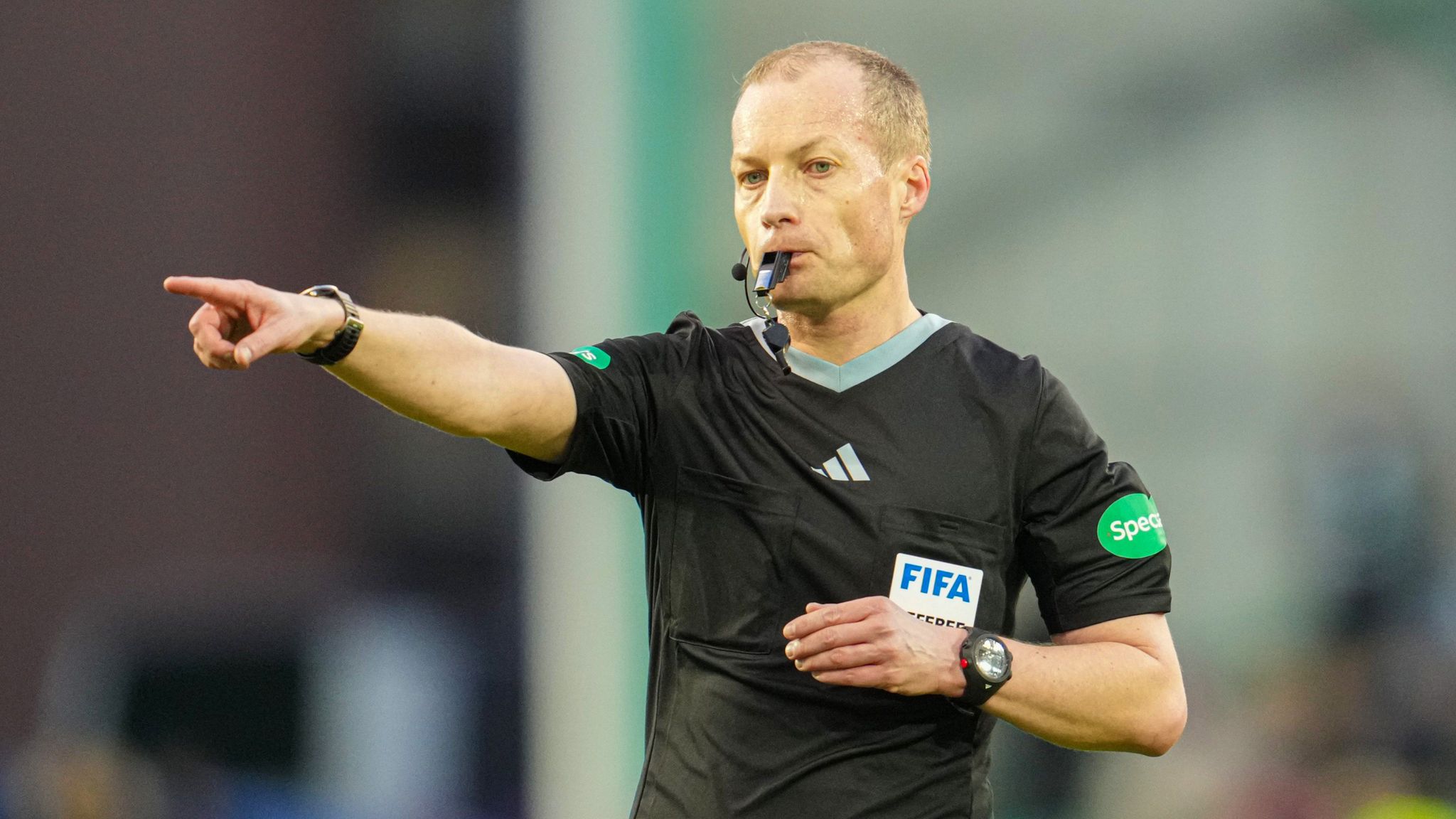
Willie Collum has delivered a strong response to the criticism surrounding Rangers’ controversial penalty against St Mirren, publicly defending referee Nick Walsh after Celtic supporters and former Hoops striker Chris Sutton insisted the spot-kick should never have been awarded.
The incident has continued to generate controversy following Rangers’ 2-0 victory in Paisley, with many unhappy supporters questioning how James Penrice was awarded a penalty after going down under a challenge from Samuel Ramos.
Walsh pointed to the spot in the 17th minute of the Scottish Premiership encounter, allowing Ryan Naderi to convert and put Rangers ahead.
However, the decision immediately attracted criticism, particularly from Celtic supporters who believed Penrice had gone down too easily and that the contact from Ramos was nowhere near sufficient to justify a penalty.
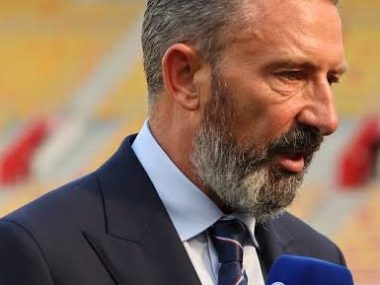
Sutton was among the most outspoken critics, famously accusing the Rangers defender of having ‘played the ref like a piccolo’.
The former Celtic striker’s assessment reflected the frustration among those who believed Rangers had been handed an undeserved advantage in a game they eventually won 2-0.
But Collum, the SFA’s head of referees, has now stepped forward to defend the decision, making it clear that the governing body’s refereeing department believes Walsh was correct to award the penalty.
Speaking on the SFA’s VAR Review show, Collum explained that the referee had an excellent view of the incident and that there was sufficient contact for his decision to stand.

“The referee is very close to the incident, the best place you could possibly be, and he talks about the player making contact in a tripping motion,” Collum explained. “There is contact at the foot level, and particularly higher up the leg at thigh level.
“People will debate about that contact, but the player takes a huge risk. He goes in, challenges for the ball, doesn’t touch the ball, and makes contact with the opponent. As soon as the referee blows the whistle here, we fully support this decision.
“You’re right to question, ‘is there enough contact?’ But as soon as this is given on field, there is no doubt for us then the penalty kick is supported.”
Collum’s comments directly challenge the argument put forward by Sutton and those Celtic supporters who believe the incident was not a penalty.
Although he acknowledged that the contact was not particularly substantial, the SFA chief insisted that Ramos had taken a huge risk by attempting to challenge for the ball, failing to touch it and making contact with Penrice.
He also explained why VAR did not overturn Walsh’s decision, stressing that the technology is not supposed to re-referee matches whenever there is disagreement over an on-field call.
“I don’t think there is a great deal of contact, but there is contact. Also, I don’t think the St Mirren player gets close to the ball. He takes a huge risk. Can we say this is not a foul? No.
“When we talk about the bar and setting a threshold, we often talk about VAR intervention and the appropriateness of whether the VAR would get involved. Here, regardless of the onfield decision, when you look at the footage, it is not one that VAR would touch.
“If a referee here plays on, and the on field description is accurate, then we continue the game. But, in terms of refereeing on field, we don’t want VAR to re-referee matches, so we need to allow referees to make decisions. What’s clear for us here is the referee is very well positioned, the check is then carried out, is there contact, does the communication from the referee match the images we see, and therefore check complete.”
Interestingly, Collum’s explanation also reveals that Rangers could have been left without a penalty had Walsh made a different decision.
The SFA chief admitted that if the referee had allowed play to continue, VAR would not have intervened to award a spot-kick either.
That distinction is important because Collum is not suggesting that the incident was an unquestionable penalty. Rather, he is insisting that Walsh’s decision was within the acceptable threshold and could not be overturned.
Collum was also asked about suggestions that Penrice exaggerated the contact to win the penalty, another major part of the criticism directed towards the Rangers defender.
However, he dismissed the relevance of the player’s reaction once the referee had judged that the contact was sufficient to constitute a foul.
“Here the level of contact is judged by the referee to be a foul. As soon as he judges that as a foul then we’re not really looking at the reaction of the player. The contact for him is enough for a foul, therefore a penalty is correctly awarded.”
The comments are unlikely to convince Sutton or Celtic supporters who remain firmly opposed to the decision, especially given how much the penalty influenced the outcome of Rangers’ trip to Paisley.
Nevertheless, Collum has made the SFA’s position clear, backing Walsh and insisting that the penalty was correctly awarded under the circumstances.
For Rangers, the explanation provides official support for a decision that helped them collect all three points. For Celtic supporters and Sutton, however, the argument over whether St Mirren were unfairly punished is unlikely to disappear anytime soon.


 Nafisa