 Nafisa
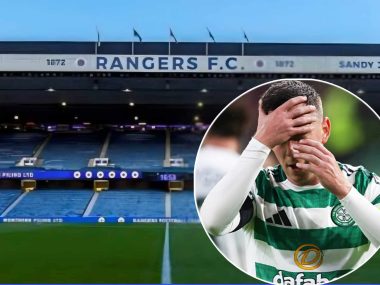
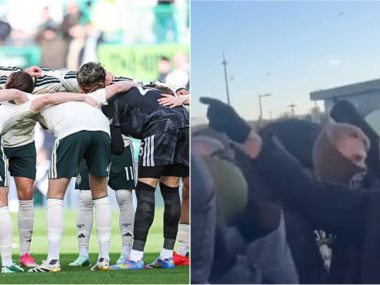
Scottish football has been left with another major VAR debate after two controversial decisions involving Rangers and Celtic were brought into the spotlight.
Both clubs have found themselves at the centre of heated refereeing discussions this season, but a comparison circulating among supporters has raised an uncomfortable question about whether the same standards are being applied when goals are scored following alleged fouls in the build-up.
The latest flashpoint came on Sunday, November 8, when Celtic hosted Kilmarnock at Celtic Park. Martin O’Neill’s side eventually secured a 1-0 victory, but the afternoon could have been very different had one of their disallowed goals been allowed to stand.
Kasper Høgh thought he had finally ended his frustrating wait for another goal when he found the net during the first half. The striker had been searching for his first strike since scoring a hat-trick against Kilmarnock earlier in the season, making the apparent breakthrough particularly significant.
However, his celebrations were cut short after VAR intervened.
The review focused on an earlier challenge by Mika Baur on Kilmarnock captain Greg Kiltie during the attacking move. Referee John Beaton was sent to the pitchside monitor before deciding to disallow the goal for a foul in the build-up.
The decision immediately generated controversy, with sections of the Celtic support and voices on Celtic TV questioning whether there had been enough contact to justify overturning the goal.
Some argued that Baur had won the ball cleanly, while others felt the contact was too minimal for such a significant intervention.
Celtic eventually found a winner through Liam Scales, securing a 1-0 victory, but the Høgh incident has now been compared with a decision involving Rangers just three weeks earlier.
Bouanani’s Rangers goal was allowed to stand
On October 17, Rangers travelled to Dens Park to face Dundee in a Scottish Premiership encounter that finished 2-2.
Badredine Bouanani produced a moment of quality to score a superb equaliser, curling the ball into the net from the edge of the penalty area for his first goal in a Rangers shirt.
However, the goal was not without controversy.
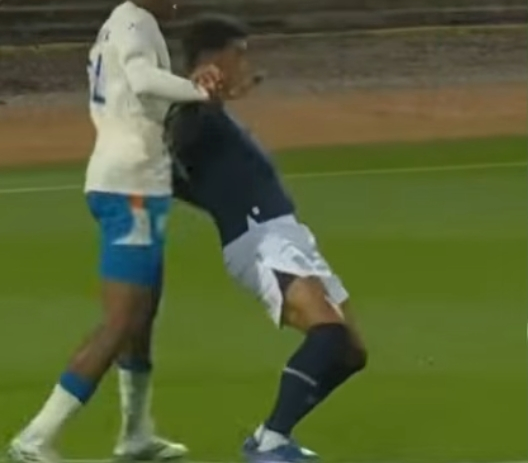
Dundee players protested that Rangers defender Olwethu Makhanya had committed a foul on Joe Bevan during the build-up to the equaliser.
Referee Duncan Nicholson allowed the goal to stand, with VAR official Matthew McDermid reviewing the incident but deciding against intervening or recommending an on-field review.
The decision attracted criticism from those who believed Makhanya had committed an offence before Bouanani finished the move.
Post-match discussions also focused on the amount of contact involved, with former Scotland international James McFadden among those who felt there was not enough in the challenge to disallow the goal.
That is where the comparison with Sunday’s Celtic controversy becomes particularly interesting.
One goal survives VAR, the other is overturned
A post shared by @gtj1247 on November 8 brought the two incidents together, questioning the apparent difference in how VAR treated the challenges involving Rangers and Celtic.
In Dundee, protests over Makhanya’s challenge did not lead to the cancellation of Bouanani’s goal.
At Celtic Park, however, Beaton was instructed to review Baur’s challenge before Høgh’s effort was ruled out.
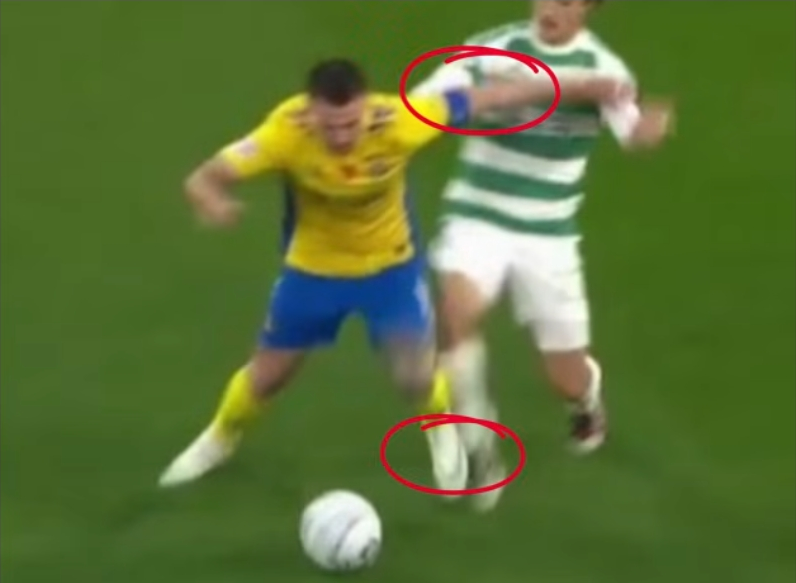
There are differences between the incidents. They involved separate referees and VAR officials, different challenges and different circumstances surrounding the eventual goals.
It would therefore be inaccurate to suggest that the two situations were identical.
Nevertheless, both raised questions about alleged attacking fouls in the build-up to goals, making the comparison relevant to the wider debate about consistency in Scottish football.
VAR is supposed to correct clear and obvious errors and address serious missed incidents, rather than simply provide officials with another opportunity to judge every contact.
That distinction is precisely what has made the two decisions so contentious.
In the Rangers incident, the VAR team evidently believed the referee’s original decision should stand. In Celtic’s case, the intervention resulted in Beaton overturning his initial decision and cancelling Høgh’s goal.
Scottish football’s VAR problem refuses to disappear
The latest debate comes against the backdrop of years of arguments over refereeing standards in Scotland, particularly whenever controversial decisions involve the country’s two biggest clubs.
Supporters regularly point to incidents involving their rivals when questioning whether their own team has been treated fairly.
The problem is that every disputed decision adds to an existing atmosphere of suspicion, especially when supporters believe similar incidents are producing different outcomes.
For Celtic fans, Sunday’s decision is likely to feel particularly frustrating because Høgh’s disallowed strike could have provided an important boost to a striker desperate to rediscover his scoring form.
For Rangers supporters, Bouanani’s equaliser remains a memorable moment from the draw at Dundee, but the circumstances surrounding it have now become part of another debate about VAR consistency.
The central question is not simply whether either goal should have stood. It is whether referees and VAR officials are applying the same threshold when judging contact in attacking build-ups.
Until Scottish football can provide clearer explanations for why one incident warrants intervention while another does not, comparisons like these will continue to generate controversy.
And with the Premiership title race becoming increasingly important, neither Celtic nor Rangers supporters are likely to forget decisions they believe could ultimately make a difference.

 Nafisa