 Nafisa
Celtic are facing another damaging confrontation between the club’s leadership and sections of their own support, with Dermot Desmond once again at the centre of the storm.
Calls for change at the top have intensified, and the growing anger has now moved beyond the stands, raising fresh questions about the future direction of the Scottish champions.
The situation has become increasingly uncomfortable for the club’s principal shareholder, with supporters demanding greater accountability over Celtic’s direction, transfer decisions and performances in Europe.
A protest that unfolded at one of golf’s most recognisable events has since been followed by a boycott announcement from the Green Brigade, leaving the relationship between the board and sections of the fanbase badly strained.
But amid the calls for change and mounting pressure on the man who holds enormous influence at Celtic, the question remains whether Desmond is prepared to walk away from his position.
Tennis-ball protest brings Celtic tensions into the spotlight
The latest controversy erupted on October 3, when Desmond was taking part in the Alfred Dunhill Links Championship at St Andrews.
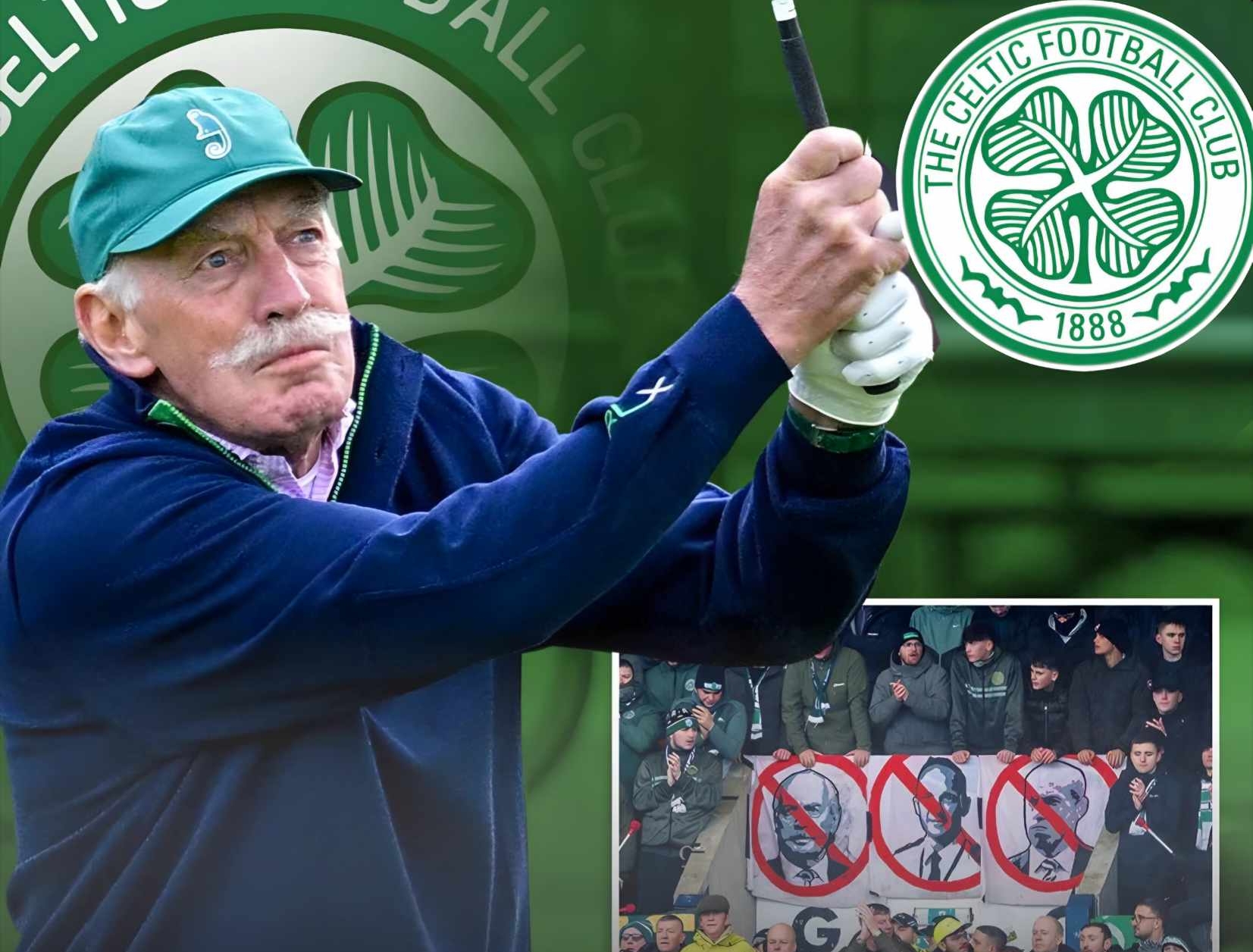
The 76-year-old Irish businessman was playing in the pro-am event when protesters threw tennis balls bearing images of his face onto the 15th green. Desmond was subsequently escorted away by security as the incident attracted widespread attention.
The protest was organised amid frustration among some Celtic supporters over the club’s direction, including their Champions League qualifying disappointment, transfer business and results against Rangers.
The Celtic Fans Collective used the incident to demand change at the top of the club, arguing that Desmond’s influence had allowed him to operate without sufficient accountability to supporters.
In a statement, the group said: “Dermot Desmond has essentially been allowed to run Celtic Football Club whilst using his wealth to hide from supporters and accountability. Fans took the chance today to send a message that this arrangement cannot continue.”
Celtic responded with a strongly worded statement condemning the disruption, describing it as a premeditated action that had crossed a line.
The club also announced that it would no longer recognise the Celtic Fans Collective as a representative body for supporters and warned that those established to have participated in planning or carrying out the protest could face indefinite bans from Celtic Park.
The response did little to ease the growing dispute, with the confrontation instead developing into a wider argument about the relationship between Celtic’s hierarchy and its supporters.
Green Brigade announces boycott as anger grows
The situation escalated further on October 9, when the Green Brigade announced plans to boycott Celtic’s remaining home Europa League matches and Scottish Cup fixtures.
The group also confirmed that it would withdraw from the Home Cup Ticket Scheme, although Premiership matches were not included in the boycott.
Explaining its position, the Green Brigade accused the club’s leadership of showing “utter disdain” for supporters and argued that the relationship between those running Celtic and those following the team had deteriorated significantly.
Its statement declared: “The disconnect between those who control Celtic and those who support it has never felt greater.”
The group also directly criticised Desmond’s influence, claiming that the situation at the club had become increasingly unsustainable. It said the boycott was intended to underline the need for meaningful change and confirmed that its position would be reviewed at the end of the season or earlier if sufficient progress was made.
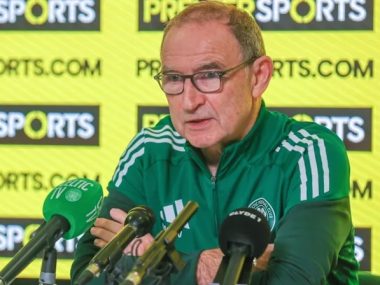
The controversy has also drawn a response from manager Martin O’Neill, who described the dispute as a sad situation and voiced his disagreement with the protest at St Andrews.
Meanwhile, Celtic’s board has maintained that supporters are entitled to express criticism but insisted that the club would not be intimidated by organised disruption.
The standoff leaves Celtic dealing with a difficult situation away from the pitch, with questions over supporter relations threatening to overshadow the football.
Has Dermot Desmond decided to step down?
With the pressure continuing to build, attention has inevitably turned towards Desmond’s own future at Celtic and whether the recent events could persuade him to relinquish his position.
Desmond remains Celtic’s principal shareholder and one of the most influential figures in the club’s hierarchy. His position has become a focal point for supporters demanding a different approach, with the St Andrews protest and Green Brigade boycott highlighting the depth of frustration among sections of the fanbase.
However, there has been no confirmed announcement that Desmond intends to step down, sell his shareholding or relinquish his influence at Celtic. Nor has a departure date or succession plan been publicly confirmed.
For now, the available information points to Desmond remaining in place despite the growing criticism directed towards him. The protests and boycott have increased the pressure surrounding his position, but they have not produced a confirmed change in Celtic’s ownership or leadership.
That leaves Celtic facing a significant question as the dispute continues: whether the club’s hierarchy can find a way to repair its relationship with supporters, or whether the confrontation will deepen further as the season progresses.
For Desmond, the immediate position remains unchanged. Calls for him to step aside are growing louder, but there is currently no confirmed indication that he is preparing to walk away from Celtic.


 Nafisa