 Nafisa
Expectations at Rangers are always different from almost every other club in Scotland. Managers are judged not only by what they win, but by how convincingly they restore the club’s identity, challenge Celtic, and deliver success on multiple fronts.
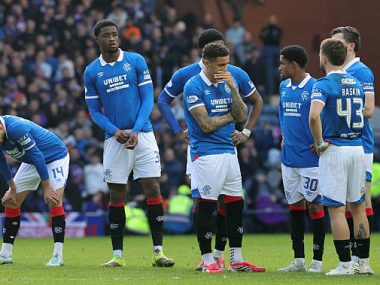
The pressure surrounding the Ibrox dugout has become even more intense in recent years. Supporters have witnessed numerous managerial changes, ambitious projects, and expensive rebuilds, yet sustained dominance has remained frustratingly out of reach.
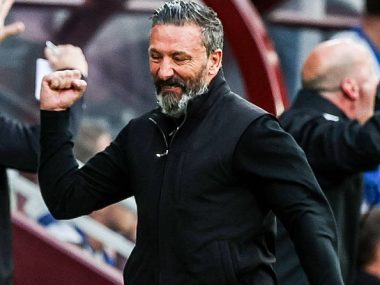
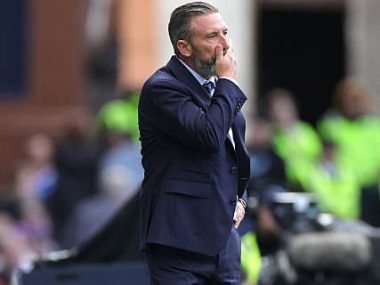
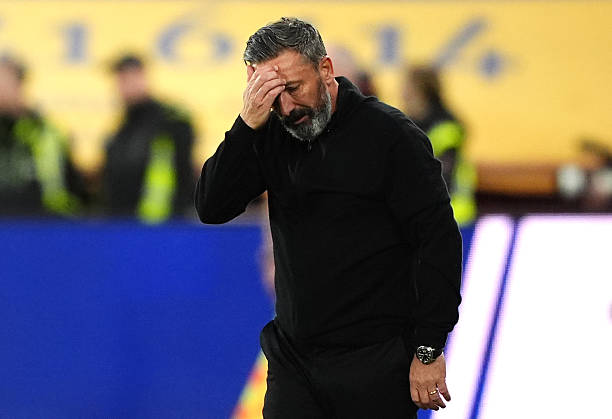
That reality now confronts Derek McInnes as he prepares to begin his tenure in Govan. While optimism naturally accompanies any new appointment, there is also a growing feeling that Rangers have spent too long falling short of the standards expected at a club of their stature.
With another fresh chapter about to begin, attention has inevitably turned towards those who came before him and whether the new boss can succeed where others have struggled.
McInnes inherits a difficult challenge
Derek McInnes arrives at Rangers aware that surpassing some of his recent predecessors may not be an impossible task.
Danny Rohl managed to improve results during his spell at Ibrox, but the German ultimately departed for RB Salzburg without collecting silverware.
Russell Martin endured an even more difficult period, lasting only three months before being dismissed after one of the most disappointing managerial spells in the club’s history.
Michael Beale also failed to deliver the level of success supporters demanded, while Philippe Clement’s only major achievement came in the form of a Scottish League Cup triumph.
Steven Gerrard remains the exception in recent years thanks to his famous unbeaten title-winning campaign, although his overall trophy haul remained limited beyond that Premiership success.
In truth, Rangers have not enjoyed the kind of complete domestic authority seen during the eras of legendary figures such as Walter Smith, and restoring that level of control remains one of McInnes’ biggest objectives.
Reality check for Rangers
McInnes will understand better than most the scale of the task ahead.
As a former Rangers player and lifelong supporter, he knows exactly what is expected inside Ibrox and the standards demanded by the fanbase.
However, veteran journalist Hugh Keevins believes the club must first confront some uncomfortable truths about its recent history.
Writing in his Daily Record column, Keevins argued that Rangers’ record over the last decade and a half falls well below expectations.
“Rangers have spent the last 15 years being the definition of mediocrity,” Keevins wrote.
“For a club of their size, in a country as small as Scotland, to have won just three major trophies over that length of time is remarkable. Remarkable as in shocking.”
Returning to Rangers’ roots
One of the major themes of the new ownership group under Andrew Cavenagh and the 49ers has been a desire to reconnect Rangers with its traditional identity.
The club has openly spoken about increasing the influence of homegrown talent, Scottish character, and players who fully understand the demands that come with representing Rangers.
The arrival of Lawrence Shankland from Hearts has already been viewed by many as a step in that direction.
McInnes knows exactly how to maximise Shankland’s strengths and may look towards players with similar mentality and leadership qualities to form the backbone of his squad.
Recent recruitment has occasionally focused on reputation and potential rather than proven effectiveness. Andreas Skov Olsen arrived with considerable expectations but ultimately failed to make the desired impact during his time at the club.
As a result, there is a growing belief that Rangers may now prioritise practicality, character, and consistency over flashy names.
Whether that strategy can finally restore a steady flow of trophies remains to be seen, but McInnes has been brought in to lead that mission.
The work officially begins next week when the squad reports back to Auchenhowie, with one clear objective dominating the agenda — bringing Rangers back to the summit of Scottish football.

 Nafisa