 Nafisa
Rangers have been left facing serious questions after Emmanuel Fernandez endured a difficult evening against Hearts, with two former footballers delivering scathing assessments of the defender’s performance during Wednesday night’s dramatic Scottish Premiership encounter at Tynecastle.
Derek McInnes returned to Gorgie hoping to guide the Light Blues to a crucial victory that would strengthen their title challenge. Instead, Rangers produced an unconvincing display and needed a late equaliser from Olwethu Makhanya to rescue a 2-2 draw against Hearts.
The result was frustrating enough for the Ibrox faithful, particularly because Celtic had also dropped points in their 2-2 draw with Dundee United at Parkhead. Rangers had the opportunity to reduce the gap at the top of the table, but their disappointing performance meant they failed to capitalise.
However, while the final score offered some relief, Fernandez’s individual display became one of the biggest talking points of the evening. The Rangers defender was criticised for his decision-making, defensive positioning and inability to deal with Hearts’ pressure, with James McFadden and former Gers midfielder Andy Halliday particularly unimpressed.
James McFadden tears into Fernandez after costly first-half mistake
Fernandez endured a frustrating opening 45 minutes, and one incident shortly before half-time attracted particularly strong criticism.
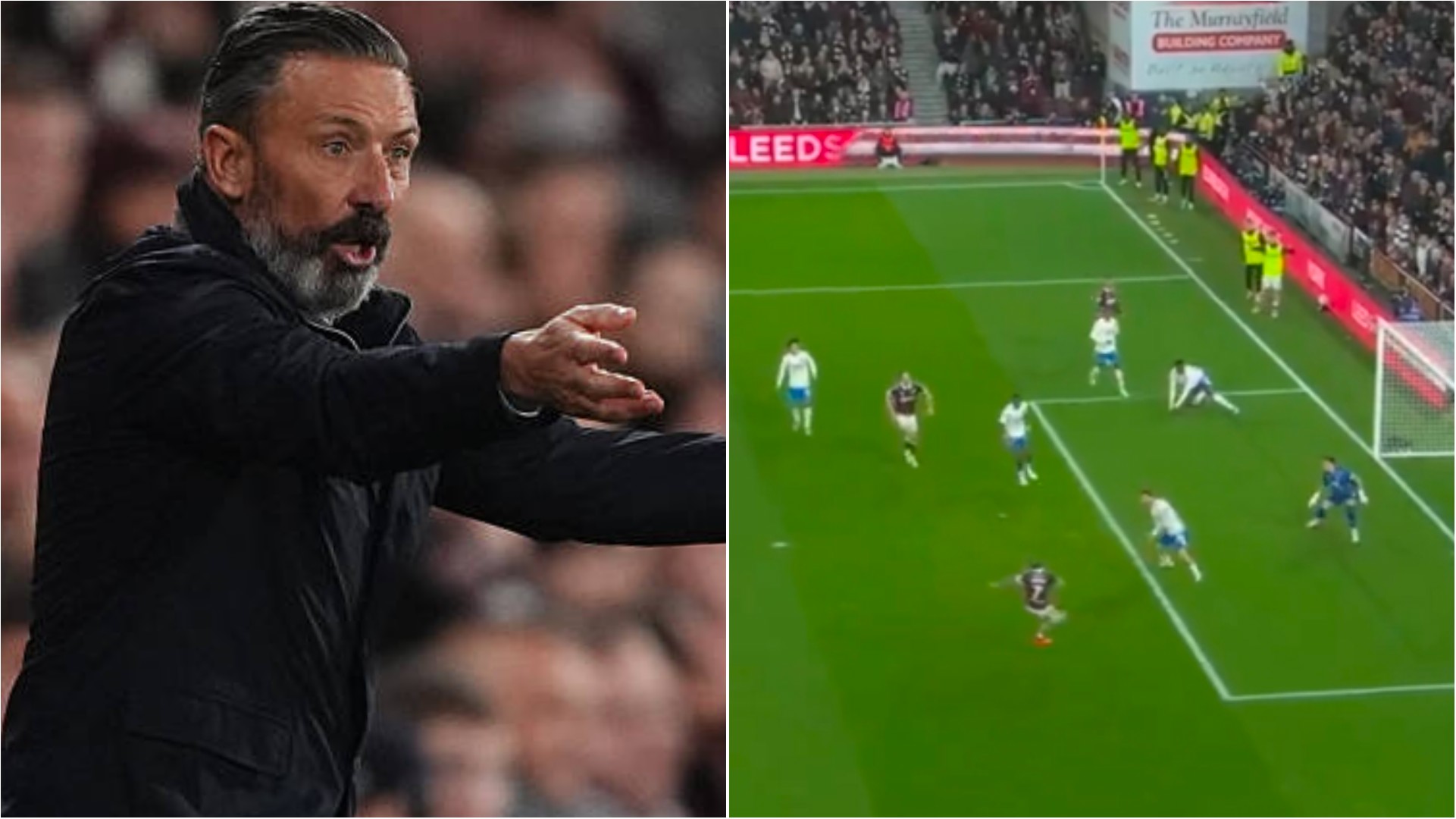
The 25-year-old was shown a yellow card by referee Don Robertson after committing a foul on Josh McPake. The Hearts player had already managed to get past Fernandez, with other Rangers defenders seemingly positioned to deal with the developing threat.
Rather than allowing the situation to develop, Fernandez stuck out a leg and brought McPake down, giving Robertson little reason to hesitate before awarding the free-kick and booking the Rangers centre-back.
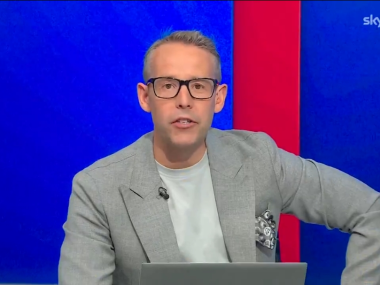
Speaking on Sky Sports, former Scotland international James McFadden criticised the defender’s decision while praising McPake for the way he created the opportunity.
“It’s great pressure from Hearts,” McFadden said.
“They win the ball back here and Josh McPake, who’s been really good this half, is direct.
“There’s a little nutmeg here and the way Fernandez goes to challenge, he’s sticking the back leg out.
“It’s such a poor tackle from him.
“Excellent from McPake.”
McFadden’s assessment highlighted the contrast between the Hearts attacker’s positive approach and Fernandez’s poor decision-making. McPake had been causing problems, but the defender’s reaction only made the situation worse for Rangers.
The booking also left Fernandez having to navigate the remainder of the contest while already carrying a yellow card, increasing the risk attached to any further mistimed challenge.
For a Rangers defender expected to remain composed under pressure, it was an avoidable mistake at a crucial stage of the match.
Andy Halliday delivers even harsher verdict
McFadden was not the only pundit unimpressed by Fernandez’s contribution.
Former Rangers player Andy Halliday was even more critical when assessing the centre-back’s first-half performance on BBC Sportsound, questioning both his decision-making and his ability to execute basic defensive actions.
“He has been atrocious in the first half,” Halliday said.
“The decision to dive in that area in a three-on-one, especially in that area of the pitch.
“Even simple clearances, straight to Hearts players. He has had such a poor first half.”
Halliday’s comments were particularly damning because they went beyond the single challenge that resulted in Fernandez’s booking. His criticism focused on what he considered a wider pattern of mistakes throughout the opening period.
The concern for Rangers is that defensive errors can become especially costly in matches where the opposition are aggressive and determined to exploit every weakness.
Hearts applied pressure, won possession in dangerous areas and forced Rangers into uncomfortable situations. According to Halliday, Fernandez did not respond well enough, with even routine clearances failing to relieve the pressure on his team.
For McInnes, the performance will provide plenty to review as he assesses how his defence coped with Hearts’ attacking approach.
The statistics make uncomfortable reading
Fernandez’s numbers offered further evidence of a difficult night.
According to the statistics cited by IbroxNews from Sofascore, only striker Kevin Kelsy, who lost possession 24 times, surrendered the ball more frequently than Fernandez among Rangers players. The defender lost possession 17 times.
His passing accuracy stood at just 71 per cent, while he won only two of the six ground duels he contested.
Fernandez also committed two fouls, received a yellow card and was dribbled past once.
Those figures paint an uncomfortable picture for a defender whose primary responsibility is to provide security and composure at the back.
Losing possession is not automatically evidence of a poor performance, particularly when a player is attempting difficult passes under pressure. However, when combined with the criticism from McFadden and Halliday, Fernandez’s numbers underline why his display attracted so much attention.
The comparison with his defensive partner, Makhanya, was also difficult to ignore. While Fernandez struggled, Makhanya ultimately became a decisive figure by scoring the late header that rescued Rangers a point.
That does not erase the team’s wider problems, but it illustrates how differently two defenders can be remembered after the same match.
McInnes faces questions after Rangers miss another opportunity
The criticism of Fernandez comes at an especially frustrating time for Rangers.
Celtic’s 2-2 draw against Dundee United had offered McInnes’ side an opportunity to close the gap in the title race. A Rangers victory at Tynecastle would have significantly reduced the deficit, but the Light Blues’ own struggles prevented them from taking advantage.
Instead, Makhanya’s late equaliser merely ensured that Rangers did not leave Edinburgh empty-handed.
The draw means the team must reflect on both the defensive problems exposed against Hearts and the missed opportunity in the championship race. Fernandez will inevitably face scrutiny after such a difficult individual performance, but the responsibility for the result cannot rest on one player alone.
Rangers must improve collectively if they are to turn these frustrating evenings into victories.
For Fernandez, the immediate challenge will be to respond to the criticism with stronger performances. One poor outing does not define a defender’s entire season, but the mistakes highlighted by McFadden and Halliday will make his next appearance an important opportunity to restore confidence.
For now, the verdict from the pundits is unmistakable: Fernandez endured a night to forget at Tynecastle, and Rangers have plenty of work to do if they are to avoid repeating the same defensive problems.


 Nafisa