 Nafisa
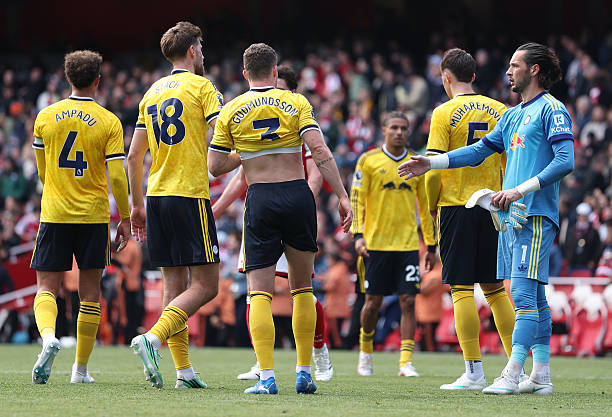
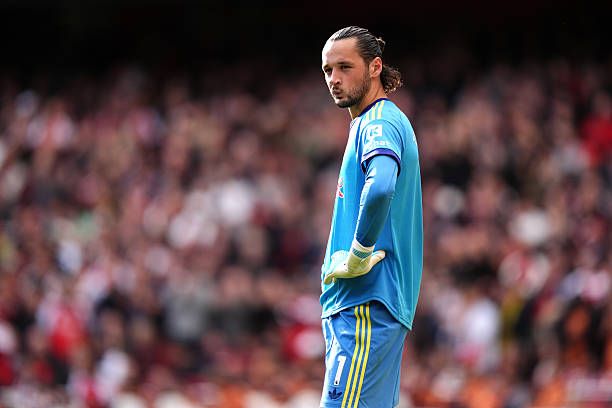
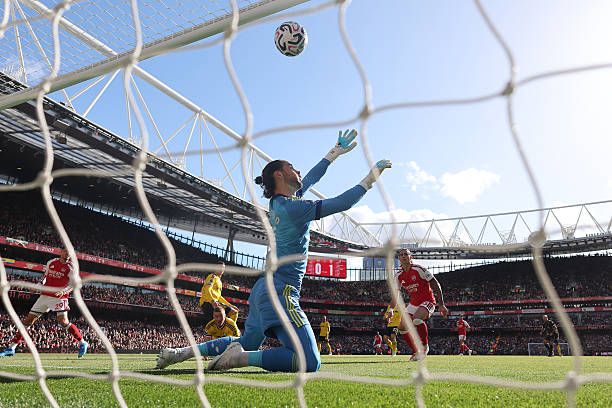
James Trafford will know he should have done better against Arsenal. His mistake helped the Gunners fight back to claim a 2-1 victory over Leeds United, and the goalkeeper has every reason to be disappointed with his contribution.
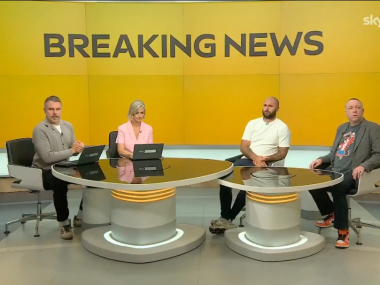
But while criticism of his performance is understandable, the debate has taken an unnecessarily personal turn after Stuart Pearce described the Leeds shot-stopper as having ‘chocolate wrists’.
The remark has attracted attention because it did little to explain what went wrong at the Emirates Stadium. Trafford’s error was there for everyone to analyse, but turning it into a mocking label risks shifting the conversation away from the technical shortcomings that actually cost Leeds.
And with the goalkeeper already facing scrutiny following the defeat, there is a growing argument that the reaction has gone too far.
Trafford does not need anyone to pretend his performance was faultless. He needs to learn from the mistake, recover his confidence and show that he can respond when Leeds need him most.
There is a difference between criticism and ridicule
Nobody should suggest that Trafford is above criticism. Playing in the Premier League brings enormous expectations, and goalkeepers are judged on their ability to deliver when the pressure is highest.
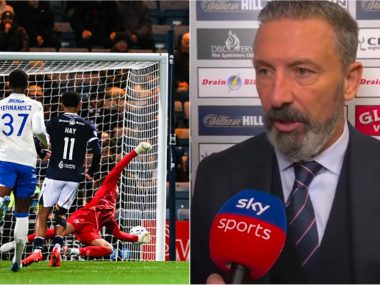
Leeds lost 2-1 at Arsenal, and Trafford will have to accept responsibility for his part in the equaliser. Daniel Farke himself acknowledged that, on a better day, his goalkeeper might have managed to push Calafiori’s effort over the crossbar.
That is a fair assessment of the incident. It identifies what Trafford could have done differently without turning the mistake into a personal attack.
Pearce’s choice of words, however, added little to that discussion. Rather than offering a detailed explanation of the goalkeeper’s handling or positioning, the former England international resorted to a jibe that was always likely to generate headlines.
There is a clear distinction between analysing a technical mistake and ridiculing the player responsible for it. One can help supporters understand why a goal was conceded; the other risks making the player himself the punchline.
As an experienced football figure, Pearce is well placed to explain what went wrong. His experience at the highest level should allow him to deliver an honest assessment without relying on an insult.
Trafford is already under enough pressure
The Arsenal defeat has brought Trafford under the spotlight, with former players and pundits questioning whether he should have done better with Calafiori’s equaliser.
Ally McCoist admitted that the goalkeeper should have saved the effort, while Farke conceded that Trafford might have tipped it over the bar on a better day.
Former Manchester United goalkeeper Tim Howard also offered a warning about the standards expected of the Leeds man, saying he needed to raise his level if he was to justify the expectations surrounding his England prospects.
Those are legitimate discussions about performance, consistency and the demands of playing at the highest level.
Pearce’s ‘chocolate wrists’ comment, though, takes the conversation in a different direction. It may make for a memorable soundbite, but it does not necessarily help explain the mistake or what Trafford must do to prevent a repeat.
The goalkeeper already knows the consequences of his error. He has seen Arsenal turn the match around, and he will be aware that his performance has become a major talking point.
Adding ridicule to that scrutiny serves little purpose when the more useful conversation should centre on how he responds.
A former England international should know better
Pearce represented England and enjoyed a long career in professional football. He understands the demands placed on players, the pressure that accompanies mistakes and the way one difficult performance can dominate the headlines.
That experience should count for something when discussing a goalkeeper who is still trying to establish himself.
Punditry should not be reduced to bland praise, and supporters do not need former professionals to soften every criticism. There is absolutely nothing wrong with Pearce pointing out that Trafford should have done better or explaining why the effort was saveable.
But being forthright does not require a cheap shot.
A more useful assessment would have examined Trafford’s handling, his positioning and whether he could have directed the ball away from danger. That would have given viewers something tangible to consider rather than leaving them with a mocking label.
Pearce is entitled to his opinion, of course. The issue is not that he criticised Trafford; it is that the wording risked turning a discussion about a footballing mistake into a personal pile-on.
Trafford deserves the chance to respond
Goalkeepers make mistakes. Some are costly, some are spectacular, and others become moments that follow a player throughout his career. What matters is how they respond and whether they can rediscover the confidence that helped them reach this level.
Trafford should be held accountable for his contribution against Arsenal, but that does not mean his entire Leeds career should be judged on one disappointing afternoon.
Leeds need him to recover quickly, learn from what happened and return to the pitch ready to perform. Farke will want his goalkeeper to remain mentally strong, particularly when the scrutiny surrounding the position can become relentless.
The best response Trafford can offer is a run of assured performances that reminds supporters of his qualities and demonstrates that he can handle the pressure.
Pearce is free to criticise him, and Trafford must accept that difficult performances will attract attention. But there is a difference between being held accountable and being mocked.
Trafford got it wrong against Arsenal. That is fair to say, and there is no need to disguise it.
Turning that mistake into a personal insult, however, was unnecessary. A former England international should be able to make his point without resorting to ridicule, especially when a clear footballing explanation would have been far more valuable.


 Nafisa