 Nafisa
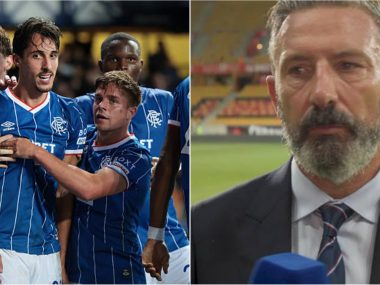
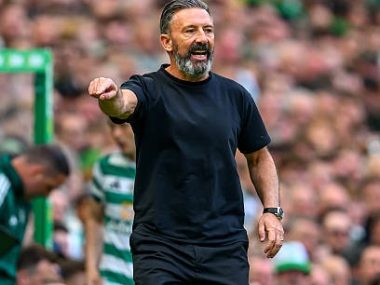
The fallout from Rangers’ emphatic 3-0 demolition of Celtic at Ibrox has refused to disappear.
While Derek McInnes and his players understandably dominated the headlines after producing one of their most convincing Old Firm performances in recent years, another debate has continued to rage in the aftermath of the Premier Sports Cup quarter-final.
And this time, the focus is not on Dan Neil’s brilliant double, Kevin Kelsy’s first Rangers goal or Celtic’s miserable performance.
It is on the officials.
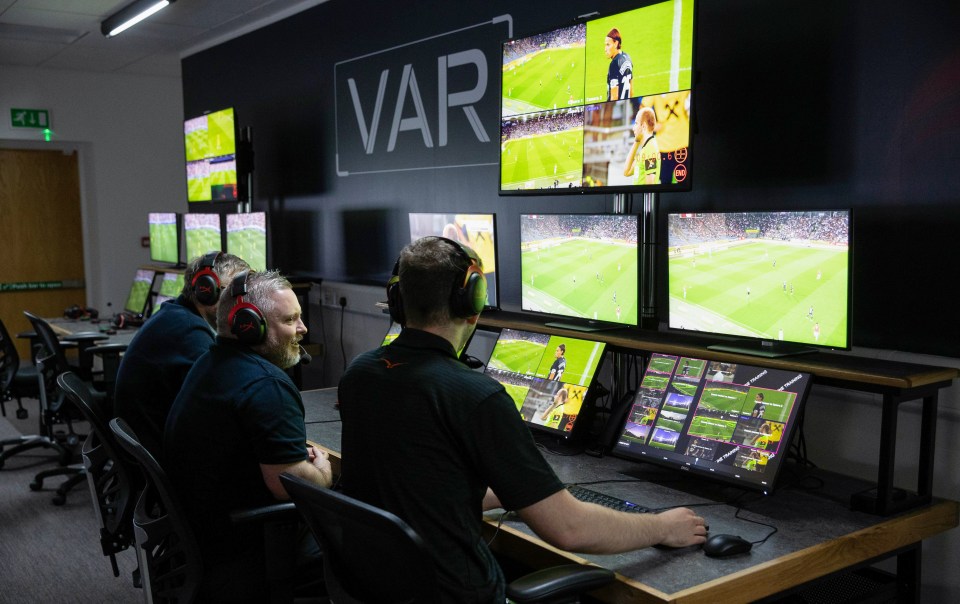
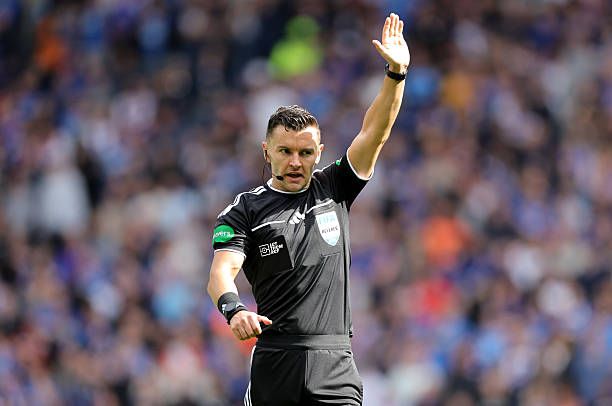
Nick Walsh was handed one of the biggest assignments in Scottish football when he was appointed referee for Sunday’s Old Firm clash, with Andrew Dallas operating as VAR. The Scottish FA had confirmed the appointments before the game, underlining the importance of the officials being placed in charge of such a high-profile fixture.
But one incident inside the Rangers penalty area has now become a major talking point.
Celtic believed they should have been awarded a penalty after Olwethu Makhanya appeared to climb onto Kasper Høgh before bringing the Celtic forward down.
Walsh waved play on.
And, despite the incident occurring inside the box, there was no apparent VAR intervention to send the referee to the monitor.
That has left Celtic supporters questioning both officials.
Former FIFA referee questions Walsh and Dallas decision
The incident initially received surprisingly little attention compared with some of the other major decisions at Ibrox.
Rangers’ third goal had already gone through a VAR check, while Emmanuel Fernandez also had an effort ruled out for offside.
But the Makhanya incident appeared to pass without the same level of scrutiny.
That changed when former FIFA referee Keith Hackett examined the footage.
Hackett was particularly surprised that VAR did not intervene after Walsh decided against awarding a penalty.
“With the referee not awarding a penalty kick then looking at this clip I am surprised that there was no VAR intervention,” he said.
“Celtic have every right to be disappointed that a penalty kick was not awarded.”
Those comments inevitably placed more pressure on the decision.
It is important, however, to separate criticism of a decision from the suggestion that the officials deliberately favoured one side.
There is no evidence of that.
And there is another factor that cannot simply be ignored.
Rangers were outstanding.
The home side produced a dominant display and eventually won 3-0, with the SPFL confirming that Neil scored twice and Kelsy completed the victory as Rangers booked their place in the semi-finals.
So even if Celtic had received the penalty, nobody can say with certainty that the outcome would have changed.
But that does not make the decision irrelevant.
At 1-0, a penalty could have given Celtic a route back into a game they were struggling to control.
Instead, Rangers retained their advantage and went on to pull further clear.
Celtic had more than one reason to be angry
The penalty controversy becomes even more interesting when viewed alongside the rest of Walsh’s afternoon.
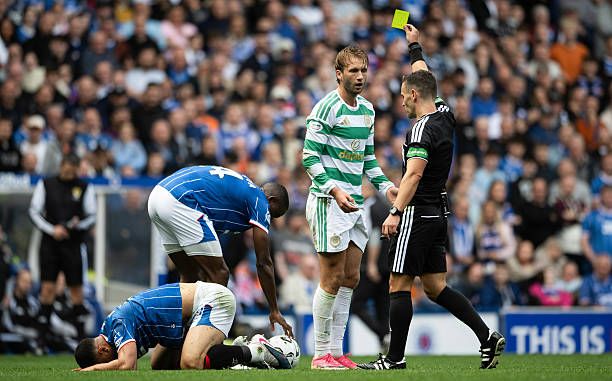
The referee had several significant decisions to make during a fiercely contested Old Firm encounter, while the VAR team also had to assess the margins surrounding Rangers’ goals.
One of those decisions went Celtic’s way.
Others went against them.
And one particular decision involving Makhanya has now become the one that supporters are questioning most intensely.
That is partly because of the nature of the incident.
Høgh was not simply involved in a minor shoulder-to-shoulder challenge.
Makhanya appeared to climb onto his back before bringing him down, creating the kind of situation that can understandably lead to immediate penalty appeals.
Yet Walsh did not point to the spot.
More importantly, Dallas did not apparently recommend a review.
That is precisely what Hackett found difficult to understand.
And with Celtic already enduring a humiliating afternoon, the decision has provided another layer to the post-match debate.
But what has the Scottish FA actually decided?
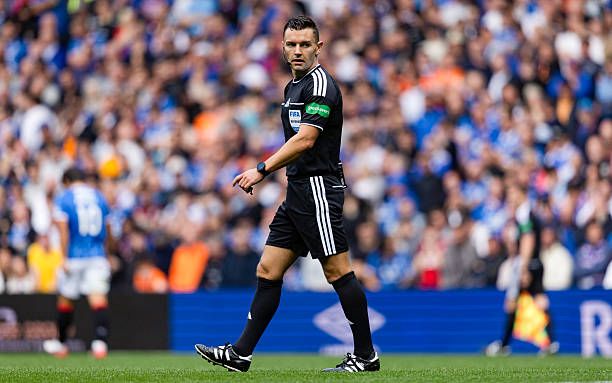
This is where the story takes a rather different turn.
Despite the growing calls from sections of the Celtic support for Walsh and Dallas to face consequences, there is currently no verified Scottish FA announcement confirming that either official has been suspended following the Ibrox match.
The available official material confirms that Walsh was the referee and Dallas was part of the VAR team for the fixture, but no public SFA statement located so far announces a suspension as punishment for the penalty decision.
That means claims that the pair have already been formally suspended should be treated with caution.
It would be a significant development if the Scottish FA were to remove either official from upcoming appointments, but that is not something that can currently be presented as an official disciplinary decision.
And there is another reason this matters.
Walsh is Scotland’s only elite UEFA-status referee, meaning appointments involving him are significant within the Scottish refereeing structure. He was also given this Old Firm assignment precisely because of his standing at the top level of Scottish officiating.
A suspension following one controversial decision would therefore represent a major development.
For now, however, the evidence points to something less dramatic.
The controversy is real.
Hackett’s criticism is real.
Celtic’s frustration is understandable.
But an official SFA suspension of Walsh and Dallas has not been confirmed.
Rangers’ performance remains the biggest story
Ultimately, Celtic will have to be careful not to allow the penalty controversy to obscure what happened over the course of the entire afternoon.
The numbers were damning.
Rangers registered 15 shots to Celtic’s seven and managed eight efforts on target compared with Celtic’s one.
They also enjoyed 53 per cent possession and, most importantly, scored three times.
The SPFL’s official match report confirms that Rangers comfortably progressed to the semi-finals after their 3-0 victory.
So while the Makhanya incident may give Celtic supporters a legitimate refereeing grievance, it cannot explain away the gulf in performance.
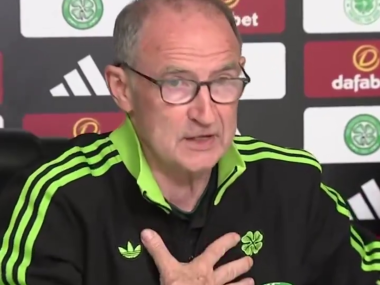
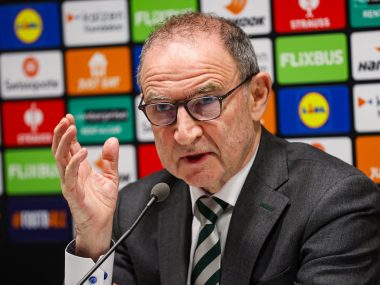
Martin O’Neill’s side were beaten because Rangers were the better team.
The penalty decision is now another issue for the Scottish football authorities to examine if they deem it necessary.
And that is perhaps the most important point to emerge from the controversy.
Celtic may feel they were denied a stonewall penalty, but as things stand, there is no official evidence that Nick Walsh or Andrew Dallas have been suspended — despite the growing calls for action following the Ibrox clash.

 Nafisa