 Nafisa
For Celtic, the most damaging moment of the afternoon may not have been the third goal itself.
By then, the damage had already been done. Rangers had taken complete control of the quarter-final, Celtic had struggled to respond and the possibility of a comeback had gradually disappeared from view.
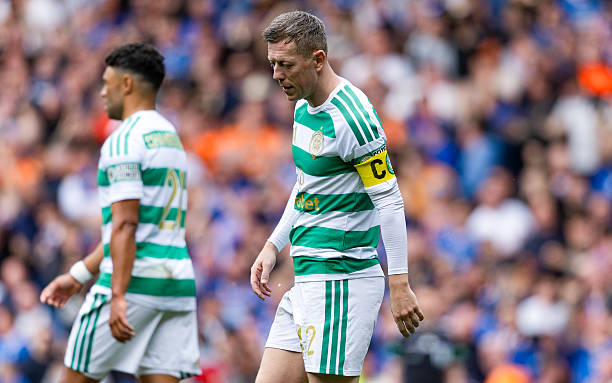
But as Dan Neil celebrated his second goal of the afternoon to put Rangers 3-0 ahead at Ibrox, television cameras appeared to capture the Celtic captain attempting to prevent the situation from becoming even more humiliating.
Callum McGregor was visibly frustrated as he turned towards his teammates, with his apparent message clear enough: no more goals.
It was a striking moment from the Hoops skipper, who had seen his side completely outplayed by their biggest rivals and appeared desperate to ensure Rangers did not add further punishment before the final whistle.
Unfortunately for Celtic, that moment also summed up a miserable afternoon.
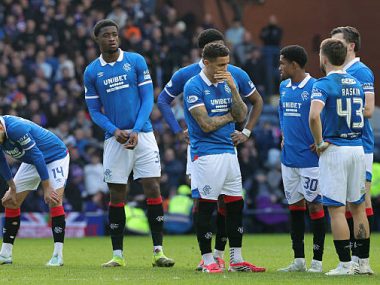
Rangers had already established a commanding advantage by the time Neil wheeled away after finding the net for the second time, with Kevin Kelsy having struck shortly after half-time to leave Celtic facing an almost impossible task.
The Light Blues had been the better side in virtually every department, while Celtic struggled to produce the response expected of a team fighting to stay alive in a major cup competition.
Neil, standing in as Rangers captain, had opened the scoring midway through the first half with a low drive before Kelsy doubled the advantage just a minute shy of the hour mark.
Then, with only 14 minutes remaining, Neil completed his brace to send Ibrox into celebration and leave Celtic staring at an emphatic defeat.
McGregor’s reaction was therefore understandable.
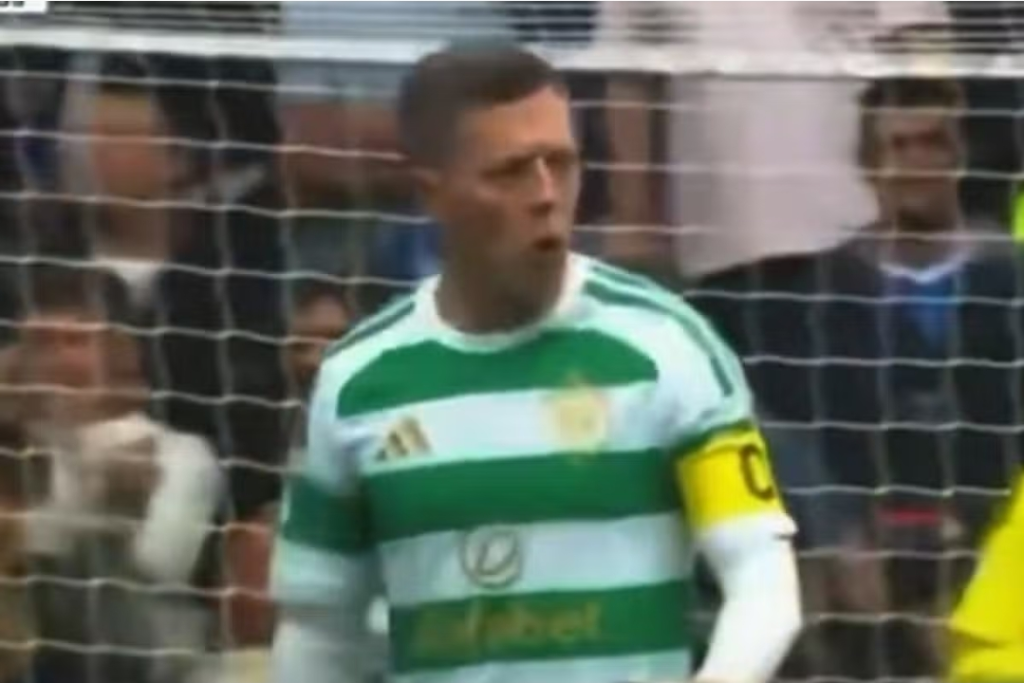
The veteran midfielder appeared to be urging his teammates to stop the bleeding, knowing another Rangers goal would have turned an already painful afternoon into an even more embarrassing result.
But the Celtic captain’s words after the match suggested the problem had started much earlier.
Rather than pointing towards the third goal or Rangers’ growing dominance in the closing stages, McGregor admitted that he felt Celtic had effectively lost their chance of recovering as soon as the hosts opened the scoring.
Speaking to BBC Radio Scotland, he said: “We were poor in pretty much every area.
“Once we went behind, we never looked like recovering. We had a couple of good moments early on and if we take them, it’s a different game.
“But you’re not going to get hundreds and hundreds of chances. When we went one behind, we never really looked like getting back in it.”
That assessment makes the defeat particularly concerning for Celtic.
There were opportunities for the visitors to change the direction of the contest early on, but failing to take them left Rangers with the psychological advantage. Once Neil broke the deadlock, Celtic never managed to produce the reaction required to drag themselves back into the tie.
And when Kelsy made it 2-0, the quarter-final was effectively beyond them.
That has inevitably led to questions about Celtic’s mentality in the biggest matches, particularly after another high-pressure meeting with Rangers ended so emphatically in their rivals’ favour.
Martin O’Neill, however, was not prepared to accept that explanation without challenge.
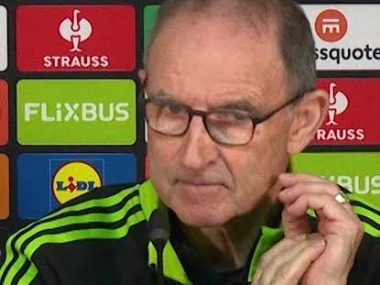
The Celtic boss was pushed on the mentality issue by reporter Connie McLaughlin on Premier Sports, but responded by suggesting that the team’s problems were initially more technical than psychological.
“We misplaced a lot of passes today when we were in really good possession, so that doesn’t help. That’s a technical difficulty in that aspect, that’s not mentality.
“But what happens is when you play enough bad passes, then the mentality hits in.”
O’Neill’s point was that Celtic’s collapse should not simply be reduced to a lack of courage or belief.
The poor execution came first, in his view, with misplaced passes and wasted possession allowing Rangers to gain control. Once Celtic repeatedly failed to make the most of their opportunities, the psychological impact naturally followed.
The manager was also visibly unimpressed by the suggestion that Celtic should have been expected to walk into Ibrox and emerge victorious.
“I don’t understand why you would anticipate a victory (here)”, he continued.
“We are coming to Ibrox, this is a pretty difficult place to come without one fan in the building. They won’t have fans in next Sunday (at Parkhead) so let’s see how we go.”
That final comment could prove particularly significant.
Celtic will not have to wait long for another opportunity to respond, with the next meeting at Parkhead giving O’Neill and his players the chance to show whether this defeat was an isolated collapse or evidence of a deeper problem.
For McGregor, though, the image of him pleading for “no more goals” after Rangers’ third will linger.
The Celtic captain had already admitted that his side looked incapable of recovering from the moment they fell behind. By the time Neil celebrated his second, all he could seemingly do was try to stop the damage getting worse.

 Nafisa