 Nafisa
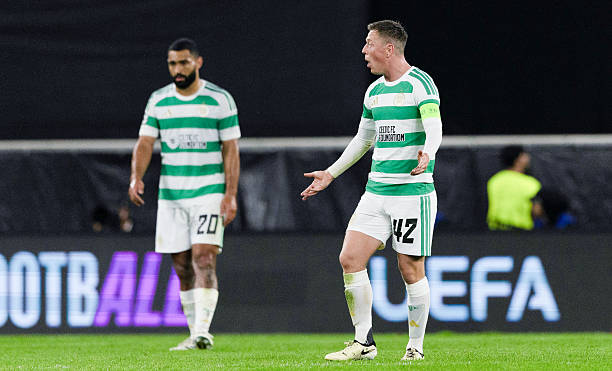
Callum McGregor was at the centre of a furious Celtic dressing-room confrontation after the Hoops suffered one of the most painful European collapses in recent memory.
The Celtic captain was understood to have confronted his teammates over the mentality shown during the second leg against LASK, with the midfielder making it clear that fear and passivity had played a major role in the extraordinary collapse.
Celtic had travelled to Austria with a commanding 3-0 advantage from the first leg and appeared to have one foot firmly in the next round.
It became even more comfortable when McGregor himself opened the scoring, putting Celtic four goals ahead on aggregate.
At that point, there appeared to be almost no way for the Hoops to throw the tie away.
But they did.
LASK scored five unanswered goals to complete a remarkable turnaround, with the Austrian side eventually winning 5-1 and progressing 5-4 on aggregate.
And inside the Celtic dressing room afterwards, the mood was understandably furious.
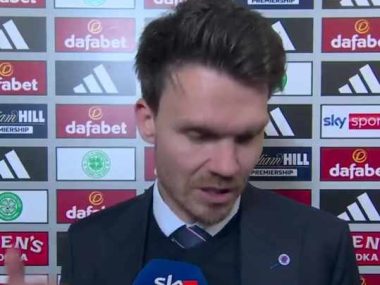
McGregor had already made his feelings perfectly clear during his post-match interview, and the same message was understood to have been taken directly to the players.
The captain believed Celtic had been too scared to play their normal game and had allowed the pressure of the situation to overwhelm them.
His message was essentially simple: Celtic bottled it when the game demanded character.
McGregor had already delivered the warning publicly
McGregor did not hide behind excuses when speaking after the final whistle.
Instead, the experienced midfielder delivered an extraordinary assessment of his own team’s performance.
“We got what we deserved. I thought we were still passive all night.
“We actually were scared to go in the game.
“I mean, you’re 3-0 up in the tie, it’s psychological.
“To be honest, I didn’t think we were that good in the first leg either.
“We scored at good times, and we kind of got away with it.”
Those comments provide a clear indication of what McGregor was unhappy about inside the dressing room.
For the Celtic captain, the problem was not simply that LASK scored five goals.
It was the manner in which Celtic reacted when the momentum began to turn.
The Hoops appeared increasingly passive, allowing LASK to dictate the game and grow in confidence.
Even McGregor’s own goal could not settle Celtic.
He admitted that once Celtic had gone 1-0 up on the night, the team should have been able to calm the situation and regain control.
Instead, the same problems remained.
“But when you play like that, and you’re so passive, and like I said, you go 1-0 up in the game, and it still doesn’t settle you then, you can’t have any excuse,” McGregor said.
“Then that’s on us.”
That was the mentality issue the captain was understood to be addressing with his teammates afterwards.
Celtic were scared — and McGregor wanted answers
The extraordinary nature of the collapse makes the criticism particularly brutal.
Celtic were not defending a narrow lead.
They had a four-goal aggregate advantage at one stage of the evening.
They had the experience of their captain putting them ahead.
They had already beaten LASK 3-0 at Celtic Park.
Yet somehow the players allowed the game to turn into a siege.
For McGregor, that cannot simply be explained away as bad luck.
It was a mentality problem.
And the captain made it clear that the players have to own it.
“It’s as much on the players as anything else, to be honest,” he said.
“You can’t lose that game by such a big margin, and then start looking for excuses elsewhere.
“We have to accept that.”
That is why the confrontation inside the dressing room carries such significance.
McGregor has been at Celtic long enough to understand exactly what is expected of a player wearing the Hoops.
He knows European nights can turn quickly, but he also knows Celtic cannot afford to surrender mentally when the pressure arrives.
His frustration was therefore not simply about conceding goals.
It was about seeing teammates retreat into themselves instead of taking control of the situation.
The captain demanded a response
McGregor also knows that Celtic cannot spend weeks feeling sorry for themselves.
The Champions League dream is gone and the Hoops will now have to compete in the Europa League.
But the captain believes the response to the defeat will reveal far more about the squad than the collapse itself.
“As I said earlier, you’ll now see what people are made of in terms of what we’re going to achieve this season,” he said.
“We have to take that, and you have to now realise that you’re playing at a big club, you’re playing at Celtic, and now you have to bounce back as disappointing as it is.
“You now have to show reaction, and that’s what Celtic is all about.”
That message appears to have been at the heart of McGregor’s dressing-room reaction.
He was not interested in players feeling sorry for themselves.
He wanted them to understand what had gone wrong and, more importantly, ensure it never happens again.
O’Neill also accepts responsibility
McGregor’s criticism of the mentality within the squad does not mean the players were the only ones under scrutiny.
Martin O’Neill has already accepted responsibility for the defeat.
The Celtic manager admitted his side should have been “out of sight by half-time” and was particularly unhappy with the manner in which his team conceded.
“That’s my team and that’s my responsibility,” O’Neill said.
He also admitted that the defeat ranks among the most painful European results of his Celtic career, comparing it with the disappointment of losing the UEFA Cup final in 2003.
So while McGregor’s focus was on the mentality of his teammates, O’Neill knows the responsibility ultimately falls on him as manager.
Celtic now have a huge amount of work to do.
The transfer window remains open, the squad still needs strengthening and the psychological damage from throwing away a four-goal aggregate advantage will take time to disappear.
But McGregor’s message was clear.
Celtic cannot afford to be scared.
They cannot become passive.
And they certainly cannot bottle the biggest moments.
After the 5-1 nightmare in Austria, the captain wanted his teammates to understand one thing above everything else: wearing the Celtic shirt comes with responsibility — and when the pressure arrives, hiding is not an option.

 Nafisa