 Nafisa
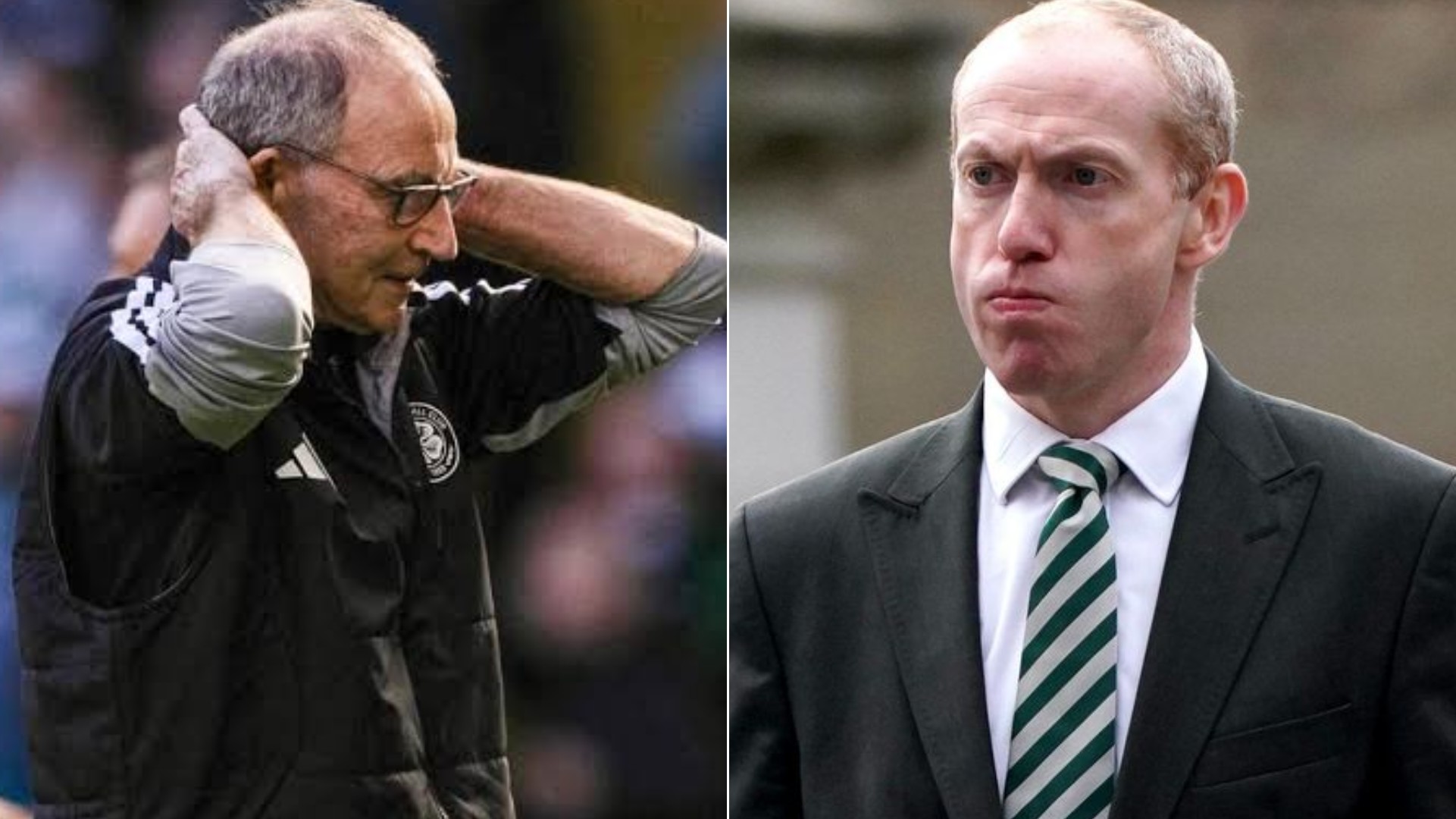
After a week that threatened to completely derail the champions’ season, chief executive Michael Nicholson used the club’s financial results to publicly throw his support behind the manager and insist that Celtic would “come together and support” O’Neill and his players.
That statement should, at least for now, draw a line underneath the speculation surrounding the 74-year-old’s future.
But saying Martin O’Neill is still the man to lead Celtic is the easy part.
The difficult part starts now.
Because if Celtic have genuinely decided that O’Neill remains their manager, then the club cannot simply issue a statement and expect everything to suddenly improve. They have to act like it. They have to give him the tools, authority and support required to turn around a situation that has already become considerably more serious than a disappointing week.
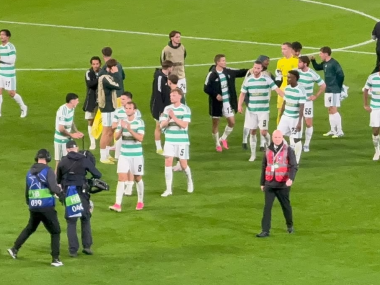
Three consecutive defeats have changed the mood around Parkhead.
Two came against Rangers, first in the League Cup and then in the Scottish Premiership, while Ferencvaros added another blow in the Europa League.
That is no longer something Celtic can dismiss as an unfortunate blip.
It is a warning.
And Rangers, revitalised under Derek McInnes, are now making sure Celtic hear it.
The numbers from Celtic’s four biggest matches of the campaign tell a story of their own: two goals scored and 12 conceded.
That is a pattern rather than one bad result.
And it is a pattern O’Neill, his players and the Celtic hierarchy need to confront before it becomes something much harder to fix.
O’Neill knows the pressure is real
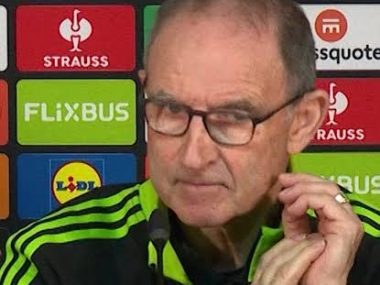
Perhaps the most revealing part of the aftermath at Celtic Park was that O’Neill himself did not attempt to hide from the situation.
Following the latest Rangers defeat, the Celtic manager openly admitted that he needed to reflect on what he could do to help the team.
He questioned whether he could turn things around.
He even joked about whether it might be time to “wrap things up”.
That comment was typical of the candour that has followed O’Neill throughout his managerial career, but there was clearly a serious point underneath it.
The manager was contemplating his future.
So were the supporters.
So were the media.
Now, however, the board have stepped in.
Nicholson’s message is that Celtic’s directors still want O’Neill leading their title charge this season.
Fair enough.
But that decision comes with responsibility.
If the board believe O’Neill is the man, they now have to own that decision.
It is one thing to say that the manager has their backing. It is another thing entirely to create the conditions in which he can succeed.
Celtic’s football has become stale.
There has been a lack of fluency, invention and, perhaps most concerning of all, authority when Rangers have stood opposite them.
You can lose a derby.
You can even lose two.
But when the second defeat arrives with the feeling that Rangers are more composed, more aggressive and more comfortable with the occasion, the questions become unavoidable.
The contrast at Celtic Park was striking.
Rangers believed they could beat Celtic.
Celtic appeared to lose belief once Ryan Naderi gave Rangers the lead.
That psychological shift may ultimately prove just as significant as the result itself.
For years, Celtic have enjoyed the comfort of knowing that domestic dominance was largely theirs to lose.
That comfort has disappeared.
Rangers have changed the equation
The biggest challenge facing Celtic is no longer simply replacing points dropped against one rival.
It is recognising that Rangers now represent a genuine challenge to their position at the top of Scottish football.
That is precisely the kind of challenge Celtic have repeatedly said they wanted.
Now it has arrived.
And it has arrived earlier than anyone at Parkhead would have wanted.
The old comfort blanket is gone.
Celtic cannot simply point towards their trophy cabinet. They cannot keep looking backwards at what happened last season.
Rangers have now shown that Celtic can be beaten.
They have shown that they can go to Celtic Park and win.
They have shown that Celtic can be rattled.
Most importantly, they have shown that Celtic are not unbeatable.
That changes the domestic landscape.
If O’Neill really is the man Celtic believe can deal with it, then he needs every available resource to prove them right.
That means no more uncertainty.
It also means Celtic cannot confuse loyalty with inertia.
The two things are completely different.
Backing O’Neill does not mean telling him that everything is fine.
It means telling him that this is his team and giving him the responsibility — and authority — to fix it.
Nicholson specifically pointed towards O’Neill’s nine trophies as part of the justification for his continued backing.
That history matters.
But football has never been particularly sentimental when the next result arrives.
January could define Celtic’s decision
The biggest opportunity for Celtic may now come in the January transfer window.
If the board truly believe O’Neill can turn this around, then he needs the freedom to address the weaknesses that have become increasingly obvious.
The manager who rescued Celtic last season was performing a different job.
That was about survival, recovery and ultimately getting the club over the line.
This is different.
Now Celtic are being asked to defend their position against a Rangers side that has discovered genuine belief.
And the financial situation only increases the pressure.
Celtic’s results published this week showed a substantial fall in revenue and a £4.8m loss, with Champions League qualification playing a major role in the club’s financial picture.
That loss of significant European revenue makes the stakes even clearer.
Celtic cannot simply retreat into domestic comfort and assume the old order will eventually restore itself.
It may not.
Being four minutes away from surrendering the Scottish Premiership title last season should have focused minds at Parkhead.
Instead, Rangers have taken that warning and turned it into momentum.
Now Nicholson, O’Neill and the Celtic hierarchy have to respond.
The board have spoken.
Martin O’Neill is their man.
The debate over whether he should be there will inevitably continue, but the decision has effectively been made.
He is there.
So now comes the part that actually matters.
Celtic must build around that decision.
They cannot tell O’Neill he is their manager and then leave him isolated. They cannot demand improvement while refusing to confront the reasons behind the decline.
And they cannot hide behind the manager’s glorious past.
This is not about what O’Neill achieved in 2001.
It is not even about what he achieved last season.
History buys goodwill.
It does not win the next game.
If Celtic genuinely believe Martin O’Neill is still the man to lead them forward, then January gives them an opportunity to prove it.
Give him the authority.
Give him the resources.
Give him the responsibility.
Then judge him on what happens next.
Because the past belongs to Martin O’Neill.
The future belongs to Celtic.


 Nafisa