 Nafisa
Leeds United may have surprised some outsiders with the way they handled their return to the Premier League last season, but there was little doubt inside Elland Road that Daniel Farke’s side had earned their place in the top flight.
The Whites did not simply scrape their way to safety on the final day. They had enough points on the board to secure their Premier League status with games remaining, while producing a number of results that showed they were capable of competing with established top-flight opposition.
There were memorable performances against some of the division’s biggest clubs, including unbeaten league meetings with Chelsea and Liverpool.
Leeds also held Manchester United to a draw at Elland Road before producing one of the standout results of their campaign by finally ending a 45-year wait for a league victory at Old Trafford.
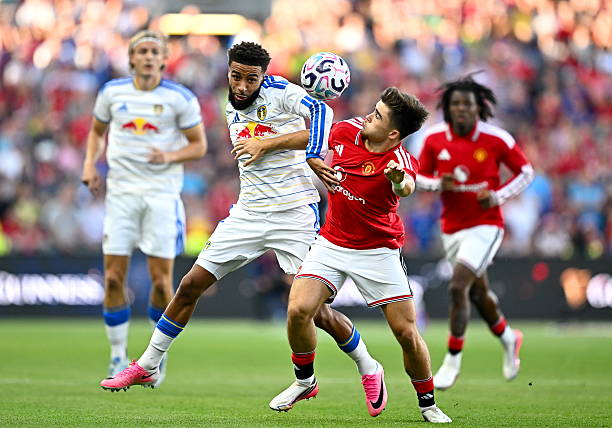
The two sides met again in Dublin on Wednesday evening, although this time the stakes were considerably lower. The pre-season contest finished 1-1 after 90 minutes before Manchester United eventually prevailed in the penalty shootout.
With the new Premier League campaign approaching, Leeds’ priority will naturally be to consolidate their position in the division.
There is already plenty of optimism around the club, though, with some beginning to wonder whether the Whites can go beyond merely surviving and challenge for a place in Europe.
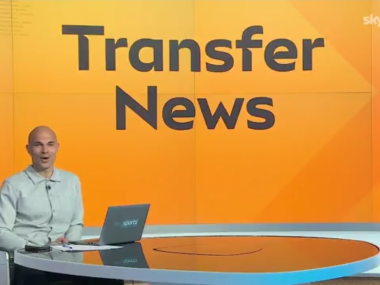
That ambition has now been discussed by ITV pundit and former Leeds midfielder Michael Brown, although his assessment of last season has certainly raised a few eyebrows.
ITV pundit claims Leeds had a ‘slice of luck’ last season:
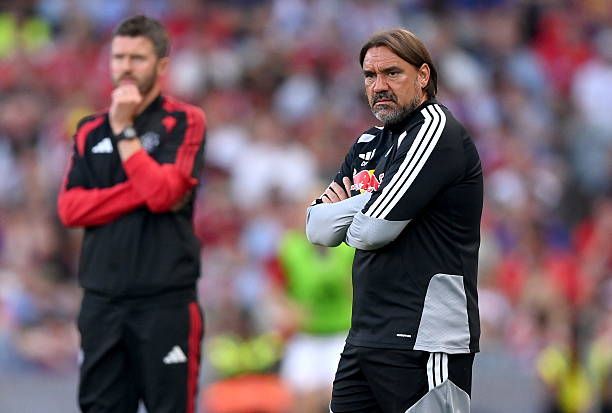
Leeds produced enough throughout the campaign to ensure they were not dragged into a dramatic final-day relegation battle.
Farke’s side showed resilience during difficult spells and gradually became increasingly difficult to beat as the season progressed.
Their performances against the league’s bigger sides were particularly encouraging, while results such as the Old Trafford victory demonstrated that Leeds were capable of competing away from home as well as at Elland Road.
However, Brown believes there was an element of fortune involved in Leeds managing to secure their Premier League status.
Speaking on ITV, the former Leeds player acknowledged that expectations would remain high around the club but warned supporters not to get carried away ahead of the new campaign.
“There is always pressure on Leeds United. The expectations are always really high”, Brown said on ITV.
“Leeds will want to finish as high as they can, and they will want to taste a bit of cup glory; they will want to get to Wembley, and aim for those big things.
“But I will say, be careful. The squad is stronger; they struggled last season, and they managed to find a bit of improvement on a bit of a slice of luck.”
It is certainly a more cautious assessment than many Leeds supporters would offer.
While the Whites did experience difficult periods, describing their survival as a product of luck arguably overlooks the work that went into transforming the team during the campaign.
Leeds United were not lucky to survive; they deserved to:

Farke deserves significant credit for the way he adapted his side as the season developed.
Leeds were not simply reliant on other results going their way. The German coach made tactical changes that helped turn his team into one of the more stubborn sides in the division.
The results were particularly evident during the second half of the campaign.
Leeds became difficult to break down, while their ability to compete against established Premier League clubs gave them a platform from which to accumulate the points needed for survival.
There were certainly occasions when Leeds were fortunate. Every team experiences moments during a Premier League season when a missed chance, a refereeing decision, a deflection or an opponent’s mistake goes in their favour.
But that is very different from suggesting their survival itself was down to luck.
Leeds had to work for those points.
They repeatedly made games uncomfortable for opponents, competed physically and showed the mentality required to deal with the pressure of a Premier League relegation fight.
The fact they secured safety with time to spare is perhaps the clearest evidence that they deserved their place in the division.
And their record against some of the Premier League’s biggest clubs makes Brown’s assessment even more debatable.
Going unbeaten against Chelsea and Liverpool, drawing with Manchester United at home and then winning at Old Trafford cannot simply be dismissed as fortunate results.
Those performances required organisation, discipline and, perhaps most importantly, belief.
The challenge now is completely different.
Leeds cannot afford to become complacent simply because they survived comfortably last season. The Premier League is unforgiving, and the expectations surrounding the club will only increase following the investment made during the summer.
The arrival of James Trafford, alongside the club’s other additions, has strengthened Farke’s squad and suggests Leeds are thinking about more than simply scraping over the survival line.
That does not necessarily mean European qualification should be treated as an expectation.
Brown is right about one thing: expectations need to be managed.
Leeds should aim as high as possible, but their first responsibility is to establish themselves as a permanent Premier League club.
If they can do that while continuing to improve the squad and develop the style of football Farke has implemented, then the possibility of eventually challenging for Europe becomes far more realistic.
For now, though, Leeds supporters can look back at last season with considerable pride.
Whatever luck may have played a part in individual moments, survival was ultimately earned through consistency, organisation and hard work.
And after returning to the Premier League, the Whites did not merely survive.
They showed they belonged.

 Nafisa