 Nafisa
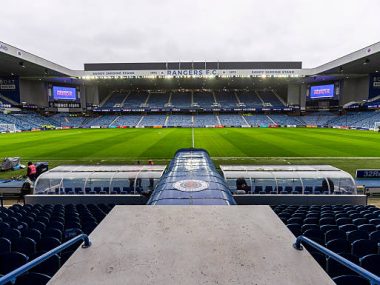
The Scottish FA are expected to release the conclusions from the independent investigation into the pitch invasion at Ibrox within the next fortnight following the disorderly scenes after Rangers vs Celtic earlier this year.
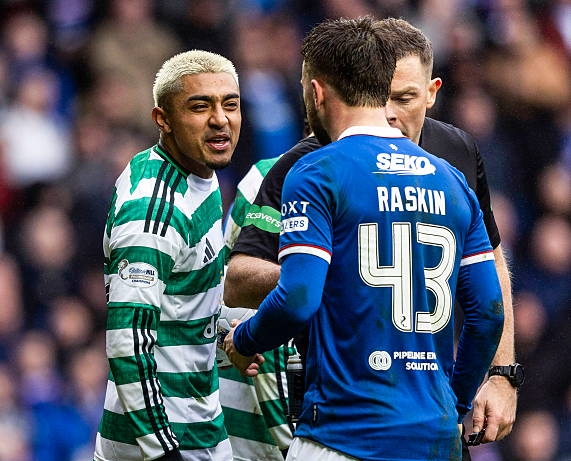
Unrest erupted after Celtic’s penalty shoot-out win in the Scottish Cup quarter-final at Ibrox, with supporters spilling onto the pitch after the final spot-kick. The situation rapidly intensified as police, stewards and club officials struggled to restore order while disruption spread throughout the stadium.
The incident became one of the major talking points of the season away from the match itself. Immediate questions were raised around crowd management, segregation, and whether large away allocations at Glasgow Derby fixtures remain viable under current structures.
Celtic players were still attempting to exit the pitch when supporters surged onto the playing surface. Some Rangers fans also made their way onto the field from home areas during the chaos. The aftermath continued well beyond the final whistle, with Police Scotland initiating investigations and the SFA confirming an independent review would be conducted.
Scottish FA chief executive Ian Maxwell gave an update on the process this week.
He said: (Sky Sports), “We will be publishing something within the next couple of weeks.
“We are just waiting on the final review coming from the review lead.
“Any action from a disciplinary perspective will be dealt with by Martin Black, our compliance officer.
“We would expect to publish something within the next week or two.”
The timing is significant because discussions around away supporter allocations are still ongoing ahead of next season. Celtic and Rangers only recently reinstated larger travelling support for league fixtures after years of reduced numbers and increasing tension around ticketing policies.
What the review ultimately recommends could heavily influence future Glasgow Derby matches. If the findings strongly criticise safety planning or segregation measures, pressure will grow on both clubs and authorities to reconsider current arrangements entirely.
The football itself was almost secondary by the end of the night. Celtic had navigated one of the season’s most intense encounters, surviving extra-time pressure before winning the shoot-out at Ibrox. Instead, attention immediately shifted to the scenes after the final whistle.
That remains the greater concern for the authorities now. Not the rivalry itself, but whether matches of that intensity can be controlled safely once emotions spill beyond the game.

 Nafisa