 Nafisa
Famed former FIFA referee Keith Hackett admits he is stunned Celtic’s equaliser against Rangers was allowed to count.
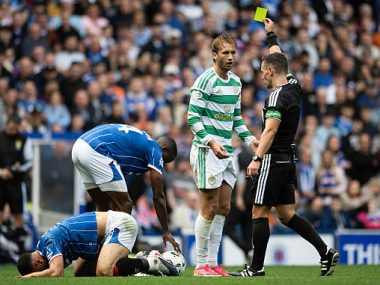
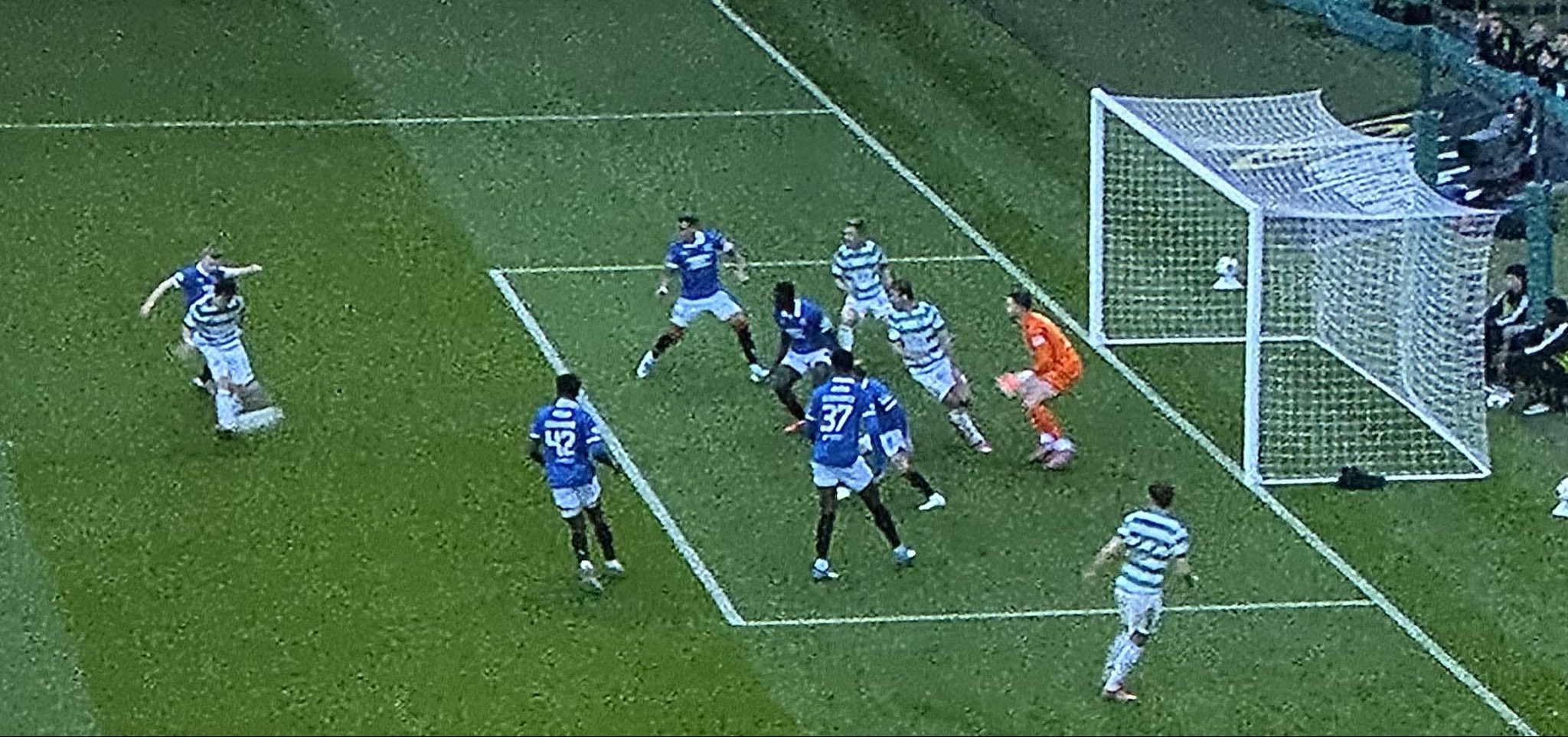
The Light Blues had gone in front at Celtic Park through Youssef Chermiti, but Yang turned the match around for the Hoops after firing the ball low into the corner from Arne Engels’ cut-back.
The goal was checked by VAR official John Beaton and the team at Clydesdale House to determine whether Benjamin Nygren, who was standing in an offside position, was obstructing the goalkeeper’s view of the Celtic winger’s strike.
Despite the review, the VAR officials decided against overturning the original decision from referee Nick Walsh and his assistant, with the goal eventually awarded.
A bewildered Hackett told Football Insider: “I really am surprised this goal was allowed to stand.
“It appeared to me that there was a Celtic player in an offside position in the line of the vision of the goalkeeper, and therefore interfering with play, interfering with his opponent. Goal should not stand.”
Former Chelsea star Pat Nevin admitted he personally did not want to see the goal ruled out, but believes the written laws of the game suggest VAR should have intervened.
He told BBC Sportsound: “It’s one of those ones, as a football person, I am saying let that stand, because he has hit the shot and the Celtic player Nygren is directly in front but he was never getting that shot.
“Many a keeper might say ‘I was getting it, I would have moved’ but if you got and read the rules as written, he is unsighted and you don’t know how he would have reacted.
“It’s a classic one, wherever you go you are going to get a bit of stick for it.”
Under IFAB Law 11, an attacking player in an offside position can be penalised if they “clearly obstruct the goalkeeper’s line of vision”, stopping the goalkeeper from playing or having the opportunity to play the ball, even without making contact with it. This falls under the category of “interfering with an opponent”.


 Nafisa