 Nafisa
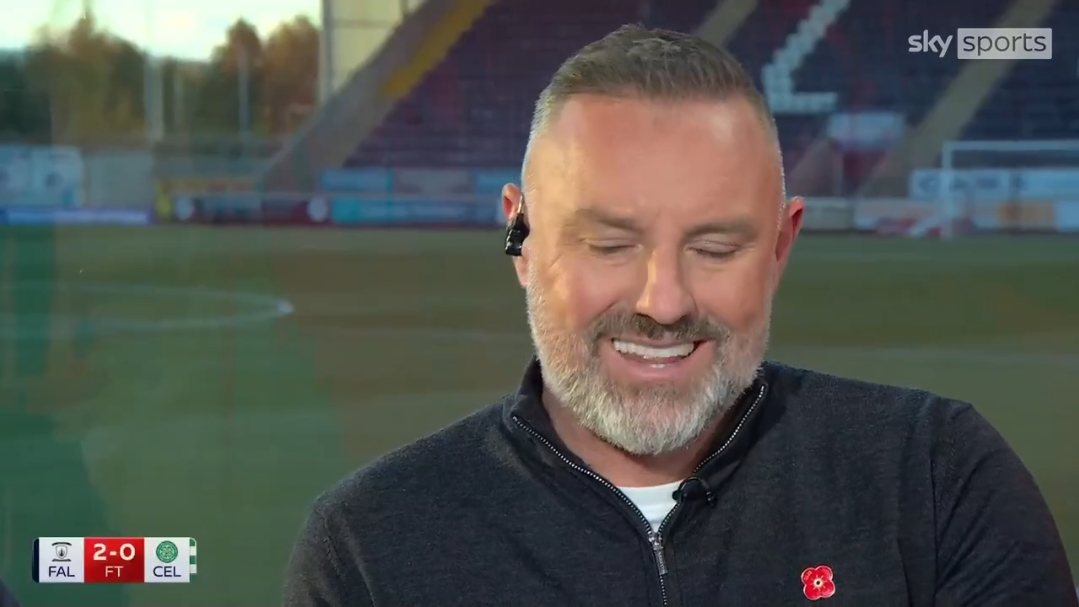
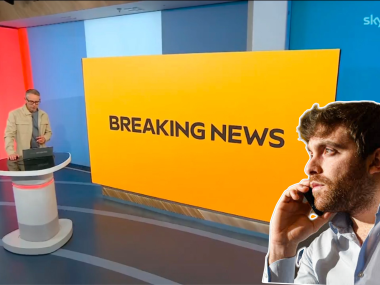
Celtic are facing increasingly uncomfortable questions about the direction of the club, with Kris Boyd delivering a pointed assessment of their current situation on Sky Sports.
The former Rangers striker believes the problems extend far beyond the performances of individual players or the decisions made by Martin O’Neill.
For Boyd, the bigger concern is the apparent lack of a long-term strategy at Celtic, particularly when it comes to appointing a permanent manager and building a squad capable of challenging at the highest level.
His comments also brought Wilfried Nancy’s difficult spell into the discussion, with Boyd suggesting that, despite the poor results during the Frenchman’s time in charge, there was at least an identifiable idea behind what he was attempting to implement.
That is something Boyd believes he cannot currently see from the Celtic team.
Boyd questions what Celtic are actually trying to achieve
Boyd began by comparing the current Celtic side with the team Nancy attempted to build during his brief and troubled spell in charge.
He acknowledged that Nancy’s time at the club was unsuccessful, but argued that supporters could at least identify the footballing idea he wanted to introduce.
He said on Sky Sports:
“We’ll do Celtic all from here. You can say all we want about Wilfried Nancy — it was a terrible time in charge — but you could see what he was trying to do. I don’t see what that Celtic team’s trying to do.”
It was a significant criticism because Boyd was not simply questioning the team’s results. He was questioning whether there is a recognisable identity behind the performances.
For a club that has previously been associated with high-tempo attacking football, movement, energy and creativity, the former Rangers striker believes the current side are falling well short of those standards.
The Martin O’Neill situation is another major concern
Boyd then turned his attention to O’Neill and the uncertainty surrounding Celtic’s managerial succession plan.
The former Leicester City boss returned to Celtic when the club needed an experienced figure to steady the situation. Boyd acknowledged the scale of the job he completed, highlighting his contribution to winning the league and the cup.
However, he questioned whether Celtic missed an opportunity to establish a clear long-term direction after that successful intervention.
Boyd explained:
“The problem for me is… you get to the end of the season, Martin O’Neill done an incredible job to win the league and win the cup. He was brought in to fix a massive problem. He did that.
“Then he gets the job again… and I agree with your point that you think, right, you’ve done what you’ve been asked and now would be a great time to say ‘okay, I’m gonna go and let’s see who else can come in.’”
Boyd’s argument is that O’Neill was initially brought in to solve an immediate problem, rather than necessarily oversee another extended period of uncertainty.
He believes Celtic needed to use that successful spell as an opportunity to identify the next permanent manager and begin preparing for the future.
Instead, he fears the club could find themselves approaching another summer without a clearly communicated succession plan.
‘What is the plan?’ Boyd demands answers from Celtic
The former Rangers striker was particularly concerned about the possibility of Celtic reaching May without knowing who will take charge beyond O’Neill’s current spell.
He questioned how the club could build a squad properly if the long-term managerial situation remained unresolved.
Boyd continued:
“When you get to May of next year you’re in the exact same position as you were in May of last year, where it doesn’t look like there’s a plan to replace Martin O’Neill — because he’s in till the end of the season and that’s it as far as we’re aware.
“So what is the plan? What is actually happening at Celtic to make sure this doesn’t happen again, where you’re going season to season?
“Because how do you then build? Who’s making the decision on what players come in, profile of player to suit what style? What is the actual plan in place at Celtic at this point in time that’s going to make Celtic move forward?”
Those questions go to the heart of Celtic’s recruitment and footballing structure.
A manager’s preferred style should influence the type of players brought into the squad. Without clarity over who will lead the team in the longer term, Boyd believes it becomes increasingly difficult to establish a consistent recruitment strategy.
He is effectively questioning whether Celtic are building towards a defined footballing identity or simply making decisions to address immediate problems.
Boyd believes Celtic are regressing
His criticism became even more direct when discussing the team’s overall development.
Boyd argued that Celtic are not simply experiencing a temporary dip in form, but showing signs of a wider decline that will continue unless the club makes changes to its direction.
He said:
“Because Chris is spot on — there is a regression. That won’t just stop. If you’re not moving forward you’re going backwards. And if you’re standing still that regression will continue at a pace. You have to have a plan in place.”
It was a blunt assessment of where Boyd believes Celtic currently stand.
The concern is that without a clear strategy, even further changes to the playing squad might fail to address the underlying issues.
Recruitment and the lack of attacking quality also criticised
Boyd also questioned Celtic’s transfer activity, pointing towards the players they were linked with during the summer and the apparent gaps that remain within the squad.
He specifically mentioned the absence of a replacement for a key figure, although the name in the Sky Sports audio was unclear.
He then turned his attention to Hassan, assessing the qualities the player brings to the team while questioning whether those attributes are translating into decisive contributions.
Boyd said:
“You look at Hassan come into the team… over the years it’s been energy and speed and willingness to run in behind and creativity. And yeah, he looks good, he looks sharp and he can go past players. What’s the final product? Where’s the assist coming? Where’s the goals coming? Where’s the creativity? Where’s the tracking back?”
His point was that looking dangerous in possession is not enough. Celtic need players who can turn individual moments into goals, assists and consistent attacking contributions, while also fulfilling their defensive responsibilities.
Boyd believes those qualities are currently missing in too many areas of the team.
Ange-ball and Brendan Rodgers’ Celtic sides set a difficult comparison
Boyd finished by highlighting the contrast between the current Celtic team and the sides supporters remember under Ange Postecoglou and Brendan Rodgers.
Those teams were associated with pace, aggressive movement, attacking intensity and a clear identity. Boyd believes the current squad are nowhere near that level.
He concluded:
“They’re deficient in every area of the team. And when people look back and remember Ange-ball and Brendan Rodgers — the need for speed — those teams… they’re comparing it quite rightly to the current team. And this current team are miles off it.
“So where is the plan? What’s the strategy?”
For Celtic, the significance of Boyd’s comments is that his criticism goes beyond one disappointing performance or one managerial appointment.
He is questioning the club’s ability to plan beyond the immediate season, build a squad around a consistent footballing philosophy and establish a clear succession strategy.
And until those questions receive convincing answers, the concerns about Celtic’s direction are unlikely to disappear.

 Nafisa