 Nafisa
Leeds United supporters have watched their goalkeeper come under intense scrutiny following Saturday’s painful defeat to Arsenal, but it is not just the result at the Emirates Stadium that has sparked anger.
James Trafford made a costly mistake as the Gunners fought back to secure a 2-1 victory, leaving the Leeds shot-stopper facing questions about his handling and consistency. Mistakes are part of football, particularly for goalkeepers, but the reaction to this one has opened up a separate debate about where criticism should end and personal ridicule begins.
And Stuart Pearce has found himself at the centre of that debate after delivering a brutal description of Trafford during commentary.
The former England international’s choice of words has been criticised as unnecessary, with the argument being that a player’s technical shortcomings can be analysed without resorting to mocking labels. For a goalkeeper already dealing with the disappointment of contributing to a defeat, the comment has added another layer to an uncomfortable few days.
Now, the question is whether Pearce’s remarks crossed a line that should never have been approached in the first place.
Stuart Pearce’s James Trafford comment sparks outrage
Trafford will have little difficulty recognising that he could have done better against Arsenal.
Riccardo Calafiori’s equaliser was a crucial moment in the match, and the Leeds goalkeeper was unable to keep the effort out as Mikel Arteta’s side began their comeback. Arsenal eventually claimed all three points, leaving Daniel Farke and his players to reflect on what might have been.
The performance was always likely to attract criticism, particularly given the importance of every point for Leeds in the Premier League.
However, Pearce’s decision to describe Trafford as having ‘chocolate wrists’ shifted the discussion away from the actual goalkeeping error and towards the language used to describe the player.
The remark was harsh, but the criticism directed at Pearce is not necessarily about whether Trafford deserved scrutiny. Instead, it is about whether an experienced football figure needed to use such a personal jibe to make his point.
There was an opportunity to explain why Trafford failed to keep the effort out, assess his handling and identify what he could have done differently. That would have provided a meaningful analysis of the incident.
Instead, the wording became a headline in its own right, raising questions about whether the criticism had crossed into ridicule.
For those defending Trafford, that is precisely the problem.
There is a difference between criticism and ridicule
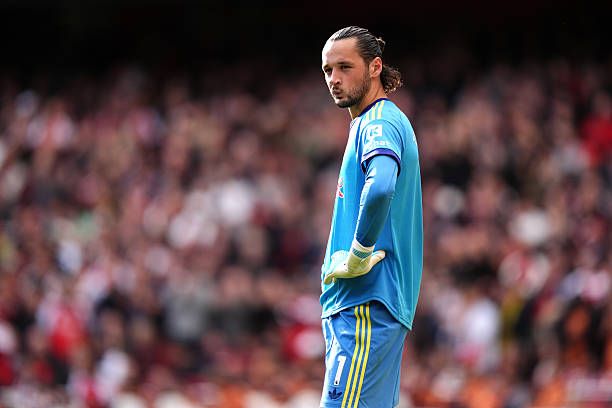
Nobody should suggest that Trafford is immune from criticism simply because he plays for Leeds United.
The goalkeeper is operating at the highest level, where mistakes can cost valuable points. His contribution to the equaliser deserves scrutiny, and he will need to learn from the incident if he is to become more consistent.
Even Farke acknowledged that Trafford might have done better.
“And on a good day, perhaps James (Trafford) has the chance to put it over the crossbar, he touched it,” the Leeds manager said.
Former Scotland striker Ally McCoist also conceded that the goalkeeper should have saved the effort.
Those assessments focus on the performance itself. They acknowledge the mistake without suggesting that one disappointing moment should define Trafford as a player.
Former Manchester United goalkeeper Tim Howard also delivered a warning about the standards expected of Trafford, saying the Leeds man needed to improve if he was to justify the expectations surrounding his England prospects.
There is nothing wrong with that kind of criticism. Trafford is entitled to be judged on his performances, and supporters have every reason to expect him to improve.
But there is a difference between explaining why a goalkeeper should have made a save and using an insult that could follow him long after the match has finished.
That distinction is at the heart of the backlash against Pearce.
Why the reaction has become so heated
Football punditry has always involved strong opinions, and former professionals are often expected to deliver honest, sometimes uncomfortable assessments.
Supporters do not want commentators to pretend that every player has performed well. They want to know what went wrong, why it happened and what the consequences could be for their club.
However, there is also an expectation that criticism should offer something beyond a memorable soundbite.
Pearce played for England and understands the pressures of professional football. He knows that even experienced players can have difficult afternoons, and that a single mistake can quickly overshadow an otherwise solid performance.
That experience makes his wording particularly open to criticism.
Trafford is already dealing with the consequences of his error. Leeds lost the match, his performance is being dissected, and questions are being raised about his consistency. The goalkeeper does not need the incident to become a running joke for the footballing world.
Pearce is entitled to his opinion, but the former England international could have made exactly the same footballing point without resorting to the phrase that has caused such controversy.
Trafford deserves the chance to respond
Ultimately, the most important question for Leeds is how Trafford responds when he next takes to the pitch.
Goalkeepers cannot avoid mistakes entirely. Even some of the best in the world have conceded goals they would desperately want back, and the defining factor is often how they react afterwards.
Trafford must accept responsibility for his part in the Arsenal defeat, learn from the incident and work towards producing more consistent performances. Leeds need him to recover his confidence rather than allow one difficult afternoon to become a lasting distraction.
The club signed him for what he can contribute over an entire season, not because they expected him to be flawless.
That is why the reaction to Pearce’s comments has become a separate issue from the original mistake. Trafford can be criticised for failing to keep out Calafiori’s effort, but that does not automatically make every personal dig justified.
Pearce is free to stand by his assessment, just as supporters are entitled to challenge the way he expressed it. Calls for accountability should be based on what was actually said and the wider context, rather than exaggerated claims about a backlash that has not been independently established.
Trafford got it wrong against Arsenal. There is little point pretending otherwise.
But if the debate is supposed to help explain what went wrong and what Leeds need from their goalkeeper next, the focus should remain on football rather than insults.
For Pearce, the controversy is a reminder that there is a difference between being brutally honest and simply being brutal. And in this case, many will argue that his choice of words was entirely unnecessary.


 Nafisa