 Nafisa
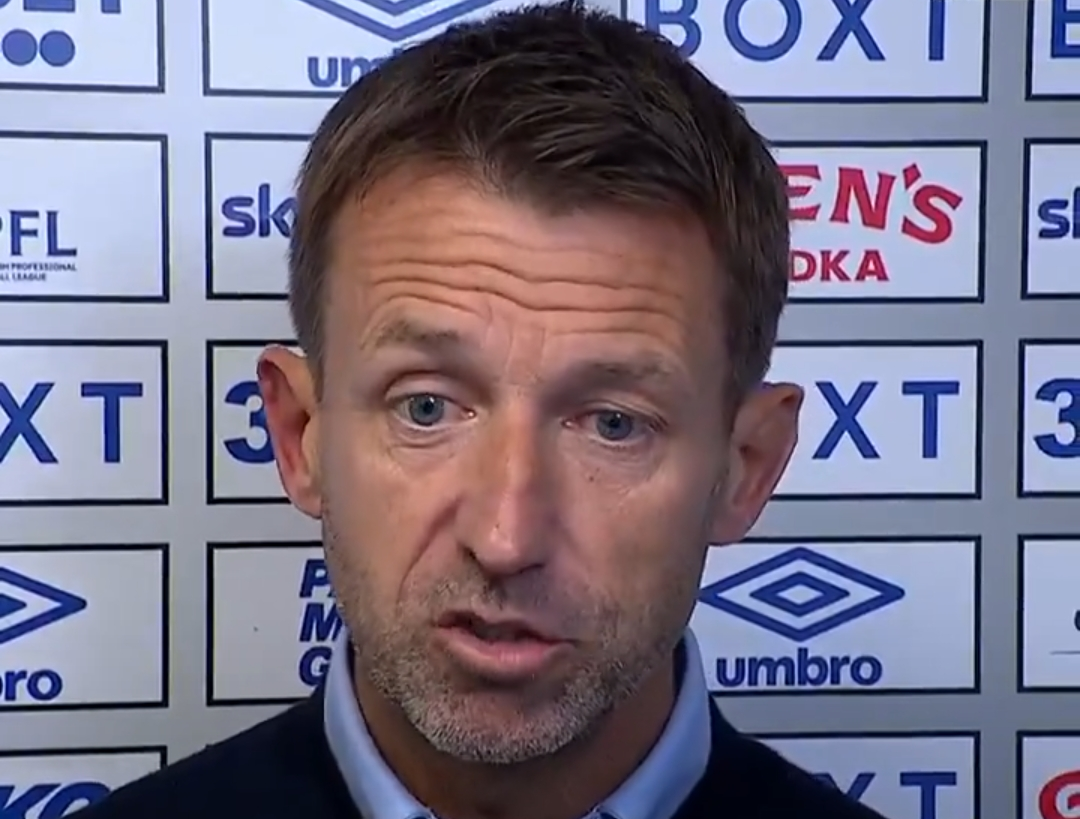
Kilmarnock manager Neil McCann was left furious after his side’s 3-1 defeat to Rangers, with a controversial decision surrounding the hosts’ second goal becoming a major talking point following the Scottish Premiership clash at Ibrox.
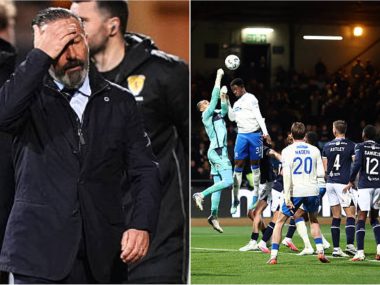
The visitors had a difficult afternoon against a Rangers side who continued their impressive run of form, but McCann was particularly unhappy with the circumstances surrounding Kevin Kelsy’s goal. The Killie boss believes the striker handled the ball during the move, raising questions over why the goal was allowed to stand.
Rangers had already established control of the contest before the disputed moment, with Ryan Naderi opening the scoring before Kelsy doubled the advantage. Naderi then struck again to send Derek McInnes’ side into the interval with a commanding three-goal lead.
However, McCann’s frustration centred on more than the final scoreline. The Kilmarnock manager felt the second goal should not have counted, and his comments after the match made clear how difficult he found the decision to understand.
“I am really frustrated, a wee bit angry as well,” he said. “We gifted Rangers the 3-0.
“I have a problem with the second goal, I think there was a handball involved in that. I do not even understand the handball (rules) any more.”
The comments highlighted McCann’s dissatisfaction with the decision, which he believed had a significant bearing on the contest. With Rangers taking a three-goal advantage into half-time, Kilmarnock faced an uphill battle to get back into the match.
There was no confirmed explanation from the referee in the comments supplied, so it would be premature to claim exactly why the goal was allowed to stand. McCann’s objection, however, was clear: he believed there had been a handball in the build-up to Rangers’ second goal and questioned the interpretation of the rules.
The controversy also came against the backdrop of a frustrating first half for Kilmarnock, who had opportunities to make the scoreline more competitive despite falling behind.
McCann admitted his players had wasted chances that could have changed the complexion of the game, particularly when Rangers were leading by two goals.
“Even at 2-0 we had two gilt-edged opportunities and we don’t hit the target.”
Those missed chances made the disputed goal even more frustrating from Kilmarnock’s perspective. Had either opportunity been converted, the visitors might have had a route back into the contest before the interval. Instead, Rangers extended their lead and placed themselves in a commanding position.
McCann was also unhappy with the overall outcome, insisting he had no interest in taking consolation from his team’s improved display after the break. He wanted Kilmarnock to compete throughout the full 90 minutes rather than leave Ibrox feeling they had performed well only after the match was effectively beyond their reach.
“There were a few words said at half-time. I don’t want to walk out of Ibrox with a pat on the back saying ‘you won the second half’. It means nothing.”
Kilmarnock responded with a much-improved second-half performance, creating several opportunities as they attempted to make the scoreline less comfortable for the hosts. Their persistence eventually brought a late consolation goal through substitute Nicky Clescenco, denying Rangers a clean sheet.
The visitors could point to their attacking improvement after the break, but the damage had already been done by Rangers’ ruthless first-half display. McCann nevertheless believed his players had shown enough after the interval to suggest the afternoon could have ended differently.
“The disappointment and frustration comes from how good they were in the second half. We created four, five chances in the second half alone. We could have probably taken something from the game.”
For Rangers, the result extended their winning run and moved them to the top of the Scottish Premiership table overnight, although Celtic have the opportunity to reclaim the summit with a result in their next league fixture.
For McCann, however, the defeat brought a mixture of anger over the disputed handball and regret over the chances his side failed to take. His criticism was directed at the decision surrounding Rangers’ second goal, while his wider assessment acknowledged that Kilmarnock’s own mistakes had helped the hosts build an advantage that proved too difficult to overcome.
The key point remains that McCann questioned whether the goal should have stood because of a possible handball. His comments did not establish that Kilmarnock were denied a penalty, nor did they provide an official explanation of the referee’s decision. The controversy he directly identified was whether Rangers’ second goal should have been allowed.

 Nafisa


